SITE DIRECTORY
To learn more about any of the BCN sites listed below, click “Read more” to view individual site briefs. To search for a specific BCN site, use the search bar below:
College View Cemetery
College View Cemetery
FOUNDED: 1896
ADDITIONAL NAMES: College View Memorial Cemetery
AFFILIATION(S):
The One Square Mile Project “A City within a City”
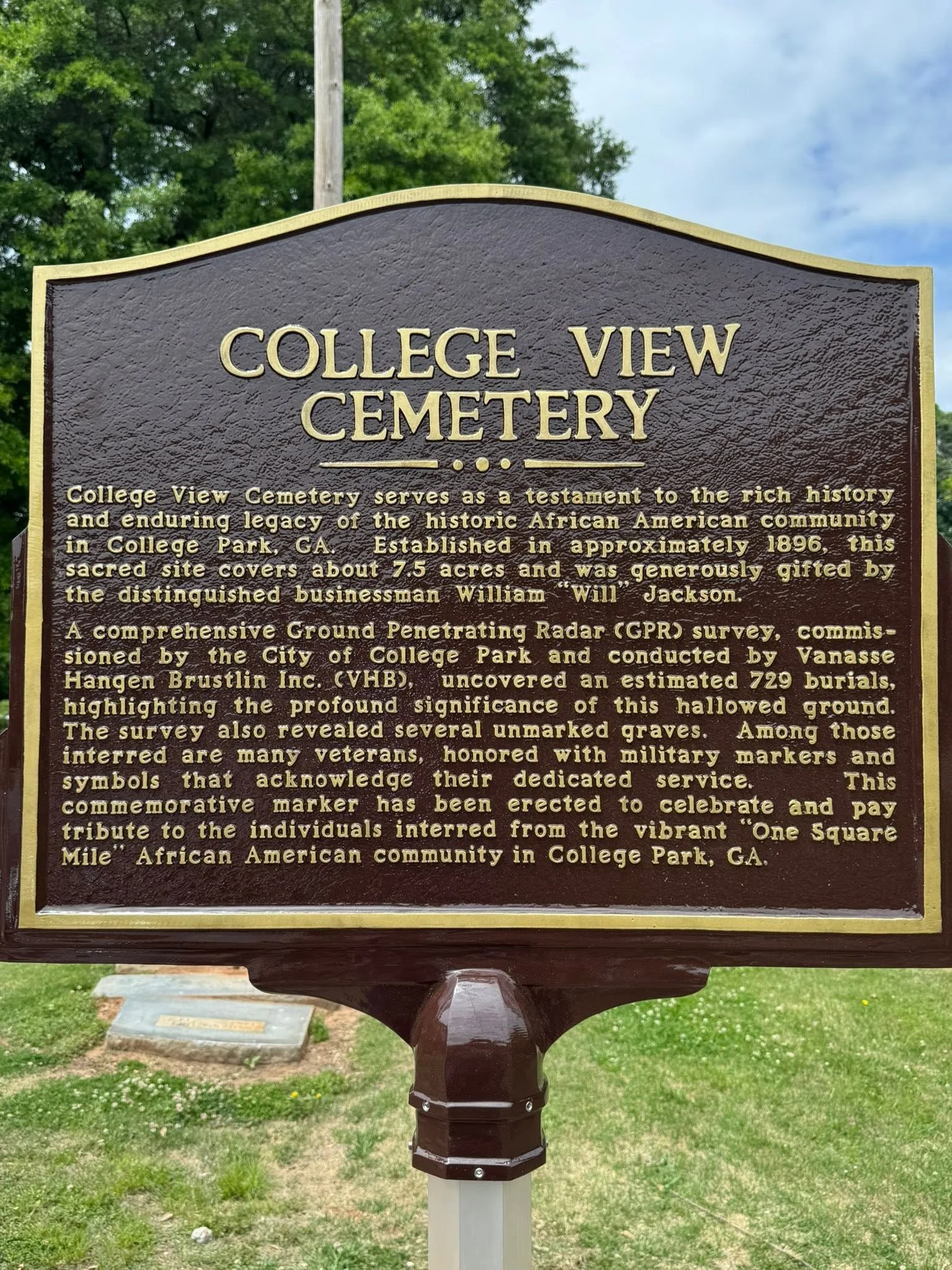
HISTORY: College View Cemetery is a historically African American cemetery located in College Park, GA. It appears to have been founded in 1896 or 1900, and it was one of the first cemeteries in southern Fulton County designated for use by African Americans and surrounding cities. During segregation, this community was thriving and economically self-sustaining with businesses. In the latter 1970's thru the latter 1980's, the citizens of this community were uprooted after the land was purchased by Atlanta-Hartsfield Airport with the intent of building additional runways. The homes and businesses were torn down, and the only remnants of this once vibrant thriving community is a couple dilapidated buildings and College View Cemetery.
This community was full of possibilities and achievements. It contained places of worship, residences, workplaces, medical facility, educational institutions, entertainment venues, shopping venues and much more. Let me not fail to mention–the airport runways were never built in this area. This community was left desolate, no lively activity. Since early 2026, volunteers have been diligent in helping to clear the overgrown cemetery. Every other weekend, volunteers have taken interest and shown up to work. Also, for a couple months we even hired goats to clear the kudzu in places we couldn't reach. We have appointments for Georgia State University to have classes for outreach and community to clean and restore headstones. In addition, we have organized a community day for past residents to view the cleaned areas, find their loved ones’ burial plot, and build fellowship throughout the day.
BCN Contact Information:
Ella Barnes, The One Square Mile Project
Historic Saint Peter Cemetery
Historic Saint Peter Cemetery
FOUNDED: 1840s
ADDITIONAL NAMES: St. Peter Cemetery
AFFILIATION(S):
Saint Peter Missionary Baptist Church
Saint Paul Missionary Baptist Church
Saint Peter & Saint Paul Community Council
Alachua County Community Remembrance Project
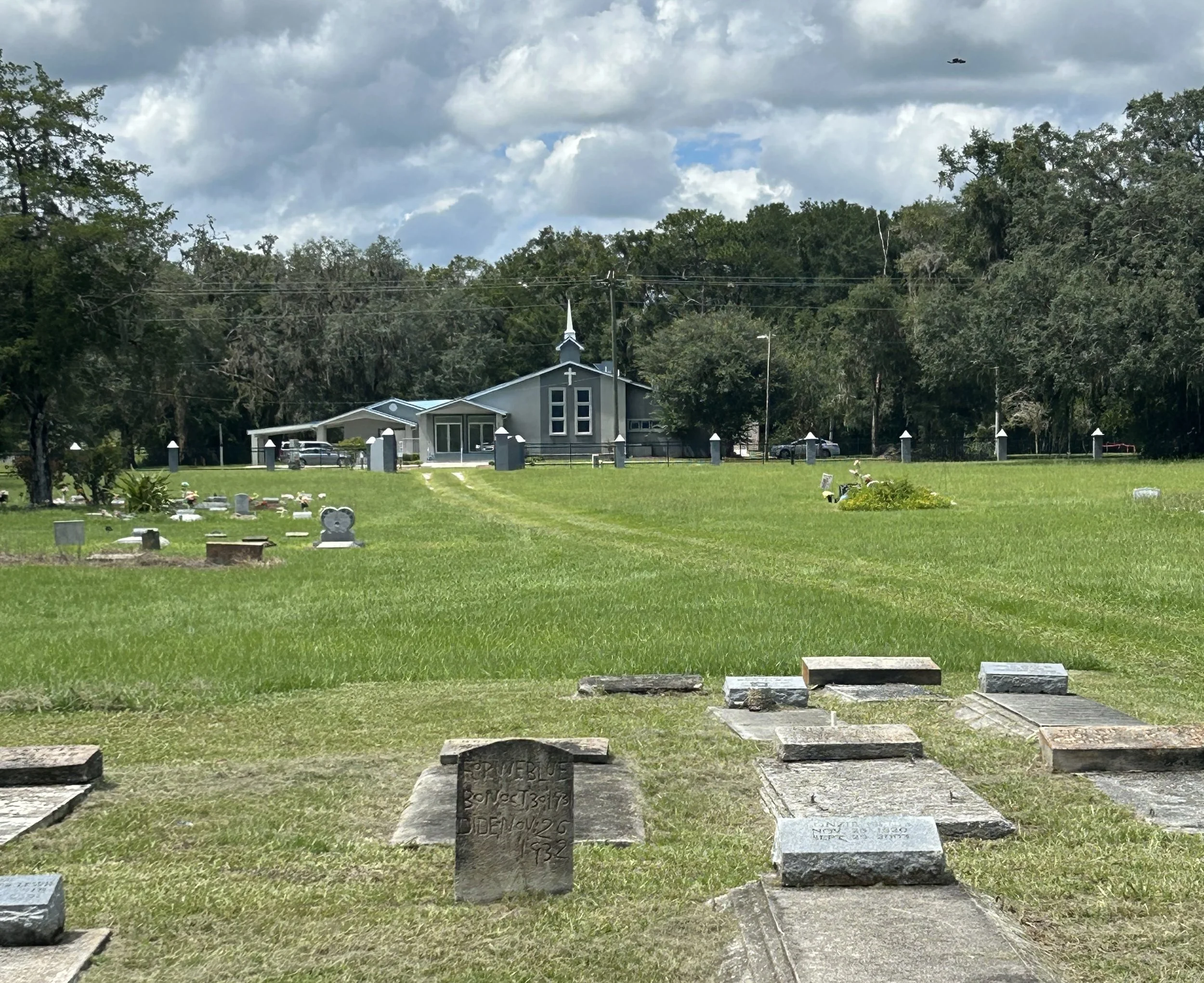
HISTORY: The Historic St. Peter Cemetery of Archer, Florida, has functioned as a vital sanctuary for the Archer Black community for nearly two centuries. According to oral history, the property has been used as burial grounds by Black families since the 1840s, well before the emancipation of enslaved people. The St. Peter Missionary Baptist Church was founded and dedicated in 1878, and more land was donated in the 1880s, which formally established the cemetery. Several generations of the original community’s descendants still reside in the area. They continue to visit and care for the cemetery, which stands as a legacy of those who founded the surrounding neighborhood prior to the end of slavery. The Alachua County Historical Commission has documented nearly 500 graves in the cemetery. It is the final resting ground for formerly enslaved individuals, war veterans, community leaders. Notably, the grounds serve as the final resting place for those who fled the tragic Rosewood Massacre of 1923. The oldest African American women’s organization in the county, the Female Protective Society, has cared for the cemetery since its establishment in 1904.
The site is formally designated as an official Florida Heritage Site, ensuring its long-term preservation and protection. This historic site serves as a profound monument to generations of local African American history. The St. Peter Cemetery of Archer Florida Historical Marker (Marker Number F-1163) was officially unveiled and dedicated on October 22, 2022. The cemetery is located at the intersection of Southwest 170th Street (County Route 241) and Southwest 83rd Avenue in rural unincorporated Archer, Florida.
BCN Contact Information:
Gerie R. Crawford

Rosson Memorial Cemetery
ROSSON MEMORIAL CEMETERY
FOUNDED: 1874
ADDITIONAL NAMES: Rossons Cemetery Kenton, Rosson Memorial Cemetery
AFFILIATE GROUPS:
St. Paul Missionary Baptist Church
Moore Heritage Projects
HISTORY:
Established in 1874, the Rosson Cemetery–a federally recognized cemetery–was initially used by members of the Rosson family, including early settler and Confederate soldier Samuel M. Rosson and his sisters. However, after the end of the Civil War and the Reconstruction era, the cemetery’s usage and history took a significant turn and was primarily used by the local African American community. The earliest documented Black burial is 1915, and, to date, death certificates for eighty-four people have been obtained. Death certificates were not mandated by TN prior to 1915, so earlier burials’ documentation or markers may have been lost. Some burials in the Black section prior to 1915 have sunken markers, fifteen of which have been identified, though there may be as many as 50. Ongoing research continues to identify these unmarked burials and lift sunken markers. The entire cemetery is currently surrounded by a private farm; the Black section of the cemetery is located at the eastern end and is currently maintained by the Rosson Cemetery Improvement Committee. The original Rosson family section of the cemetery is the Western portion of the cemetery and is an unkept area that is hidden by overgrowth and brush.
The Cole family is one of the most prominent African American families connected to Rosson Memorial Cemetery, with William Carter Cole (1879–1975) and his wife, Sophia Brown Cole (1889–1965), being the last individuals buried there. Their family’s deep ties to the community began a new chapter in the cemetery’s history, reflecting the evolving racial landscape of the area. William Carter Cole, a lifelong resident of Kenton, served in many roles, including working at Shatz Produce House and preparing bodies for burial, before undertakers were widely available. His leadership in the community and St. Paul Missionary Baptist Church, along with his legacy as a father of seven, left a lasting mark. Initiated by daughters of Sophie and Will Cole after Sophie’s burial in 1965, the Rosson Cemetery Improvement Committee has worked tirelessly to affirm the right to access the cemetery, improve the access road, and maintain the cemetery grounds and vegetation. Until recently, most community members were not aware that a portion of the cemetery grounds had been used by the Rosson family and descendants of Samuel M. Rosson and his sisters and other members of the White community previously, and that this section of cemetery currently remains unmaintained. The Rosson Cemetery Improvement Committee funds ongoing maintenance of the post Reconstruction era area of the cemetery, primarily the Black portion of the cemetery, as well as impromptu cleanups. Since 1967, the St. Paul Missionary Baptist Church has hosted the cemetery’s annual programming.
BCN Contact Information:
John Moore
Stonington Cemetery
Stonington Cemetery
FOUNDED: 1754
ADDITIONAL NAMES: N/A
AFFILIATION(S): N/A
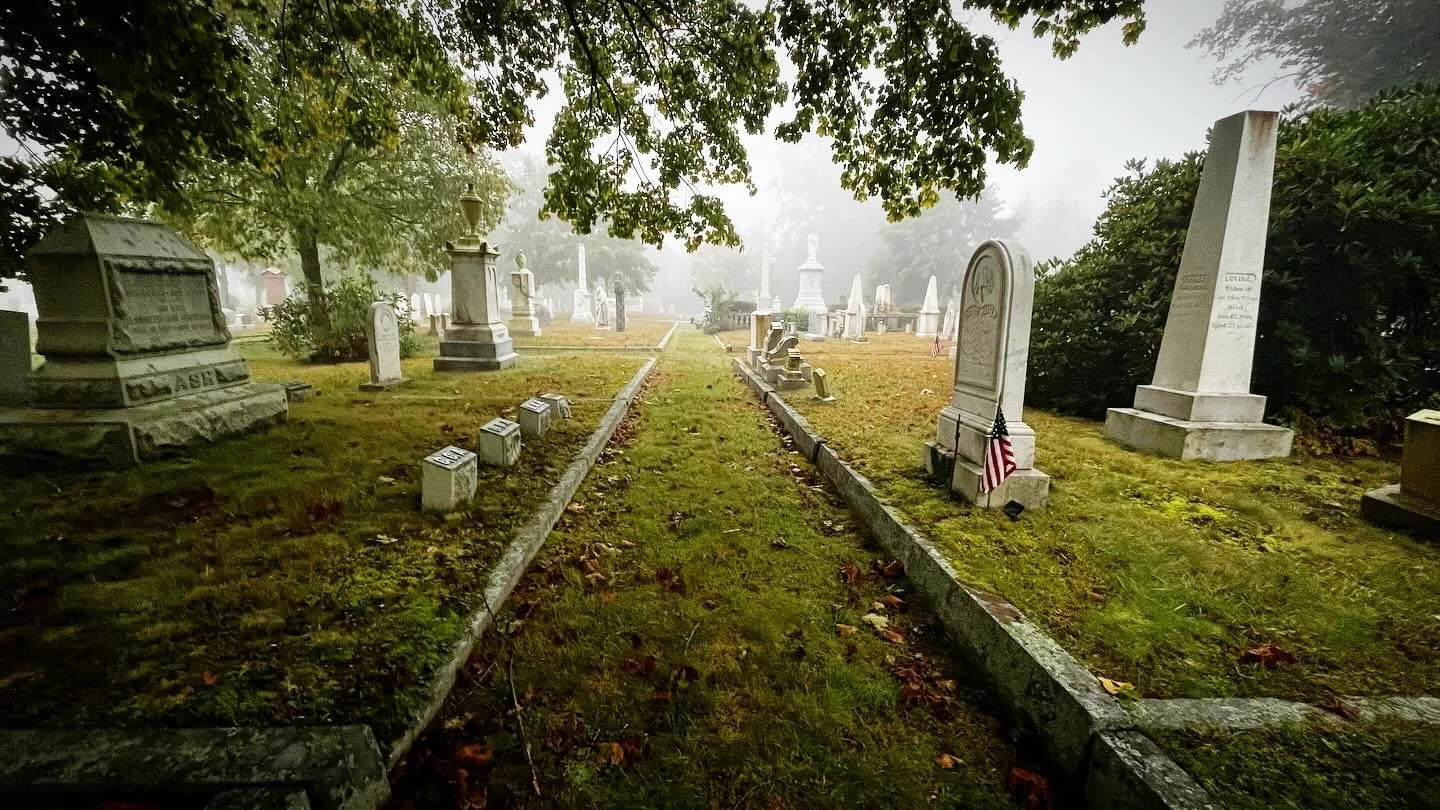
HISTORY: Stonington Cemetery preserves an important chapter of the town’s African American history through the burial of members of the historic Third Baptist Church congregation, one of the region’s early Black churches. The cemetery serves as the final resting place for generations of African American residents whose lives, faith, work, and contributions helped shape the Stonington community during a time when their stories were often overlooked or underrepresented in historical records.
Though the Third Baptist Church was disbanded in the 1920s, the congregation directed the proceeds from the sale of the church property, along with its remaining funds, to the Stonington Cemetery Association to establish the Third Baptist Trust Fund for the perpetual care of the graves of Third Baptist Church members buried in Stonington Cemetery. The cemetery still contains the historic African American burial area associated with the congregation, including markers inscribed “Third Baptist Church Fund.” National Register documentation for Stonington Cemetery also specifically identifies these African American plots as having been organized by Third Baptist Church. Today, Stonington Cemetery is committed to preserving and sharing this history through ongoing research, documentation, and respectful stewardship of these gravesites. By recognizing the significance of the Third Baptist Church community and the individuals buried here, the cemetery honors their legacy and helps ensure that their stories remain an enduring part of Connecticut’s cultural and historical heritage for future generations
BCN Contact Information:
Daniel Hasson, Vice President, Stonington Cemetery Association
Bull Run African American Cemetery
Bull Run African American Cemetery
FOUNDED: Late 1700s
ADDITIONAL NAMES: Harris Family Cemetery
AFFILIATION(S):
NOVA Parks
Fairfax County NAACP
Fairfax NAACP Religious Affairs Committee
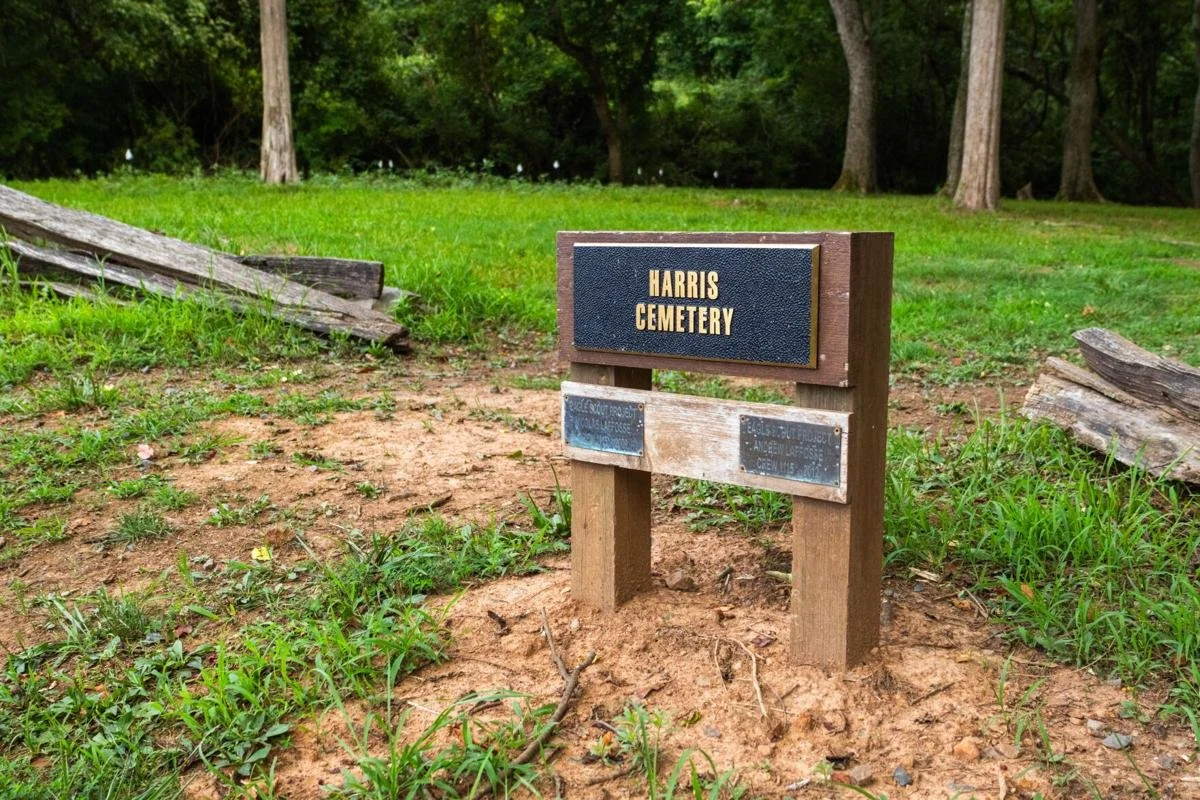
HISTORY: The Bull Run African American Cemetery is located in Centreville, Virginia, within Fairfax County. Dating back to the 18th century, the cemetery lies inside Bull Run Regional Park. Ground-penetrating radar conducted by NOVA Parks has confirmed 101 unmarker burials of both enslaved and freed African Americans. The land on which the cemetery sits was once part of Leo Plantation, inherited by Robert Carter III, who went on to become one of the wealthiest men in Virginia at the time. Influenced by Baptist teachings and the beliefs of those he enslaved, Carter eventually turned away from the Anglican Church and its support of slavery. The Bull Run Baptist Meeting House was established by Carter III in 1775, which historical records indicate was located near the cemetery and open to enslaved and free worshippers. The congregation was likely majority Black. Carter's oldest son was buried within or near the cemetery after his death in 1779.
In 1791, Robert Carter III signed a Deed of Gift to begin the gradual manumission of those he enslaved. Eventually, more than 500 men, women, and children were freed, and Carter provided opportunities for them to acquire land, education, and resources to establish independent lives. Many formerly enslaved people and their descendants remained in the Bull Run area, forming a free Black community that included the Harris family, whose ancestors lived on the land and are buried at the cemetery. Over time, much of the history of the cemetery and the community connected to it was largely forgotten outside of the families who preserved and passed down their stories through generations. Since 2022, NOVA Parks and the Fairfax County NAACP have held an annual Juneteenth event to recognize this history and commemorate the largest individual emancipation of enslaved people prior to the Emancipation Proclamation. Today, ongoing research and preservation efforts are helping document the cemetery’s history, improve access to the site, and ensure that the stories of the people buried there and their descendants are preserved, remembered, and shared with future generations.
BCN Contact Information:
Megan Schuster (Park Manager for Bull Run Regional Park)
Johnson Cemetery
Johnson Cemetery
FOUNDED: 1878
ADDITIONAL NAMES: Turkey Foot Hollow, Shot Hollow
AFFILIATION(S):
Friends of Booker T. Washington State Park
Chattanooga-Hamilton County NAACP Branch
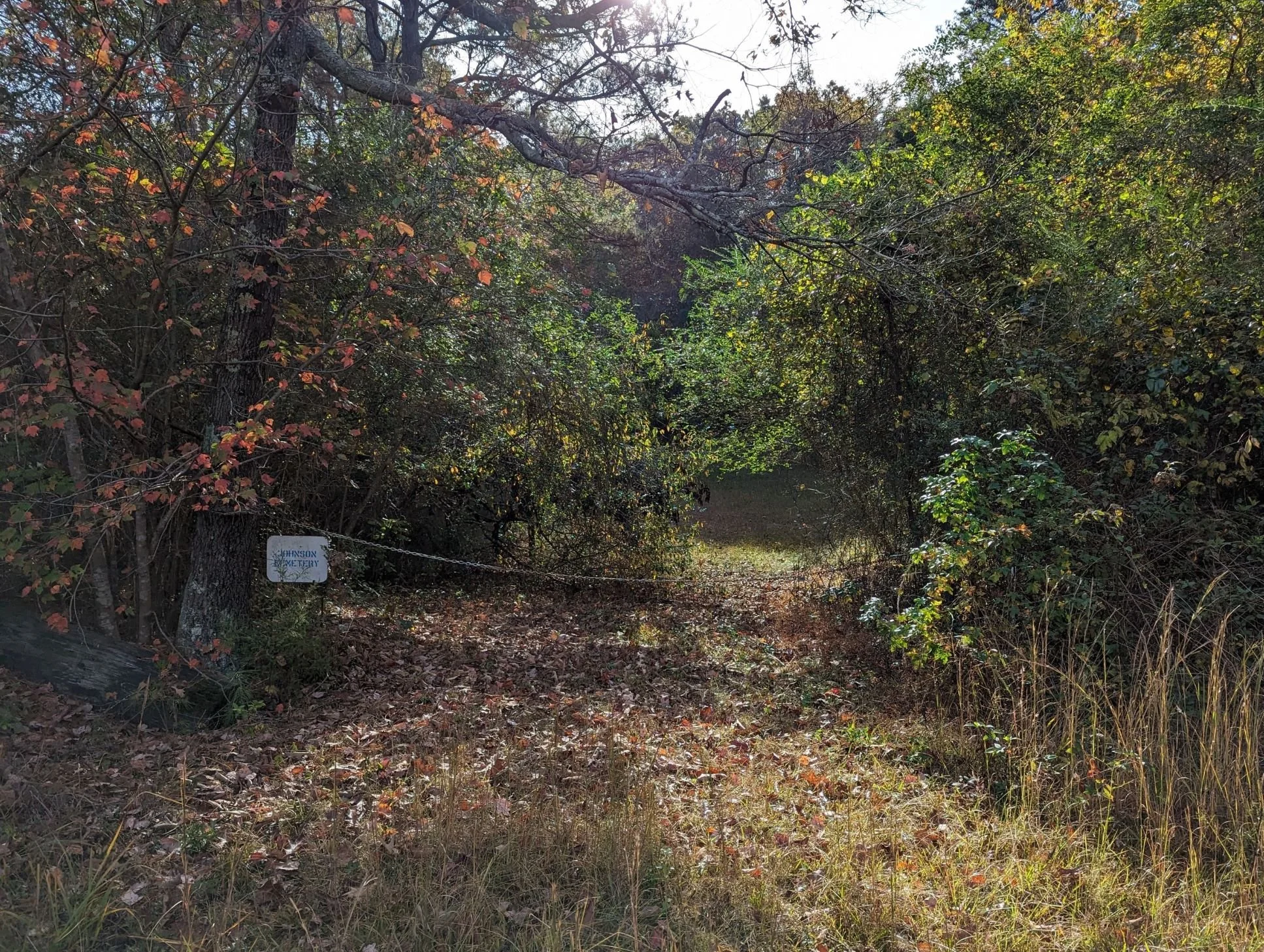
HISTORY: Russell and Terri Gilbert and their family have been advocates for preserving and researching Johnson Cemetery, also known as Turkey Foot Hollow or Shot Hollow. Oral histories, family records, historical accounts, and documented burials indicate that the site existed before the Civil War. Turkey Foot Hollow was a Black Indigenous unincorporated town, founded before Hamilton County, Chattanooga, or Tennessee. The families were displaced due to the Tennessee Valley Authority (TVA) flooding the area, and construction of a TNT plant. The town was home to Indigenous Cherokee and Black families living along current-day Highway 58 in Chattanooga. The community developed schools, churches, businesses, and civic institutions that served generations of residents.
Most residents of Chattanooga and Hamilton County are unaware that a thriving Indigenous Black community existed there before the city's establishment. The only surviving physical landmark connecting families to that era is Turkey Foot Hollow, where World War I and World War II veterans, including women, were laid to rest. Civil War Veteran Gideon Owens was also interred at Johnson Cemetery. Turkey Foot Hollow is the lasting legacy of a historic town where Indigenous Cherokee, Black, and Brown people worshipped, lived, built institutions, and preserved their culture. The Gilberts' goal is not just preserving the cemetery, but also the history of Turkey Foot Hollow whilst honoring the memory of those who built it. Descendant families were unaware of the transfer of the cemetery to the state, and issues surrounding long-term stewardship of the cemetery are currently being negotiated. Families with ancestors buried in Johnson Cemetery are communicating with the state concerning preservation and upkeep of the gravesite and its history.
BCN Contact Information:
Russell Gilbert Sr.
O’Neal AME Church Cemetery
O’Neal AME Church Cemetery
FOUNDED: 1810-1820
ADDITIONAL NAMES: Old Neal Cemetery
AFFILIATION(S):
Ruben Gay Place
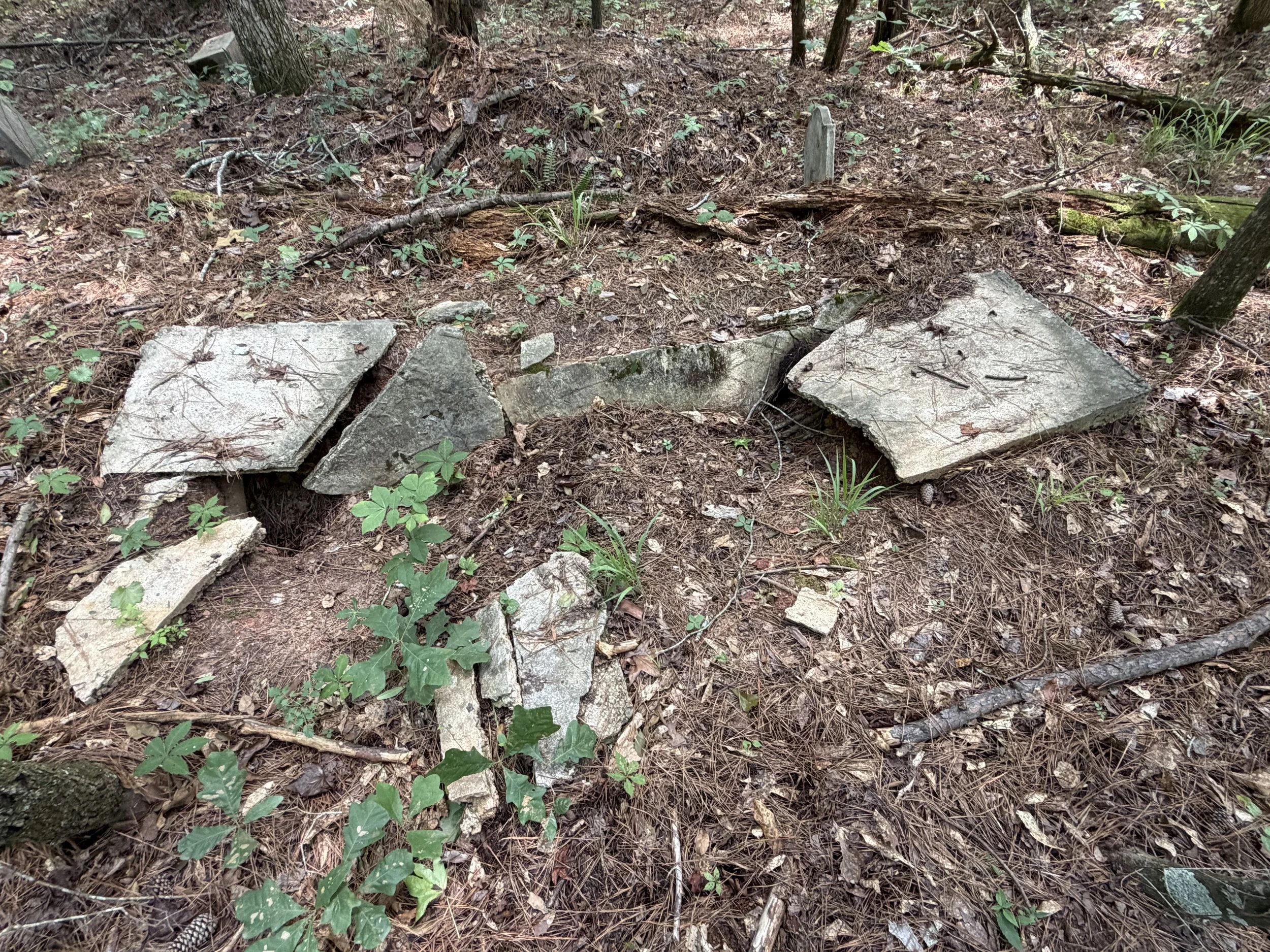
HISTORY: The O’Neal A.M.E. Church Cemetery in Hampton, Georgia, is a historically significant burial ground representing generations of Black American, Native American, and mixed-ancestry families whose histories span multiple eras, from pre-European colonization through slavery, the Civil War, Emancipation, Reconstruction, segregation, and the modern era. Historical and genealogical records identify members of these families as “Black”, “Negro”, “Colored”, and “Mulatto”, reflecting terminology used during different historical periods. The cemetery represents individuals and families who experienced enslavement before Emancipation, as well as Freedmen and Freedwomen who established families, churches, educational institutions, and communities after slavery. Research has identified educators and professors, Freemasons, veterans, church leaders, community leaders, and working families among those buried or historically connected to O’Neal. Their stories represent generations of survival, education, military service, faith, leadership, and achievement before and after the Civil War. The cemetery’s association with the historic O’Neal A.M.E. Church reflects the important role of the Black church in worship, education, mutual aid, family life, and community development following Emancipation. Descendants remain connected to individuals buried here, with family relationships extending into historic cemeteries and communities throughout the region. Today, Honor Thy Roots Cemetery Preservation Inc. is researching, documenting, and advocating for the protection of O’Neal as development occurs around the burial ground. Preserving O’Neal means protecting the graves, identities, and stories of enslaved ancestors, Freedmen and Freedwomen, Black American and Native American families, people historically classified as Mulatto, educators, Freemasons, veterans, and community leaders and ensuring that this history of ancestry, survival, freedom, faith, service, and achievement is preserved for future generations.
BCN Contact Information:
Honor Thy Roots Cemetery Preservation, Inc.
Munree Cemetery
Munree Cemetery
FOUNDED: early 1900s
ADDITIONAL NAMES: Munree (Fleischmann) Cemetery of Welaunee Plantation
AFFILIATION(S):
Munree Cemetery Foundation
John Gilmore Riley Museum
20th of MAY Group
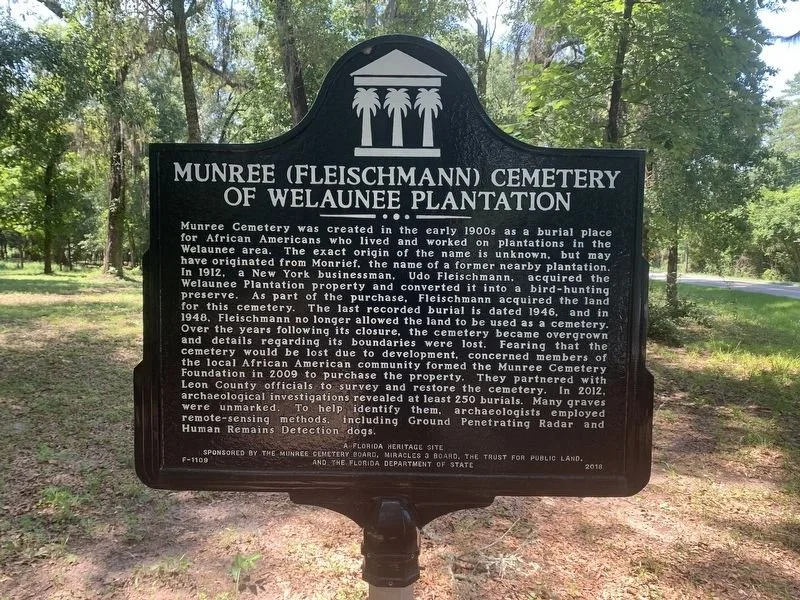
HISTORY: Munree Cemetery is a historical cemetery of 5 acres located on Edenfield Road miles north of U.S. 90 in Leon County, Tallahassee, Florida. It contains over 250 rediscovered burials of African Americans and calls attention to the import of focusing on lost and erased Black cemeteries and the histories they contain. The cemetery was created during the early 1900s for African Americans who lived and worked as sharecroppers and tenant farmers on the land and plantations named Welaunee. In 1912, a New York businessman, Udo Fleischmann, acquired the Welaunee Plantation property and converted it into a bird-hunting preserve. As part of the purchase, Fleischmann also acquired the land used for Munree cemetery. The last recorded burial is dated 1946, and in 1948, Fleischmann no longer allowed the land to be used as a cemetery. Over the years following the closure of Munree cemetery it became overgrown and eventually lost through the years of neglect and unclear boundaries marking its location on the landscape.
Munree cemetery was a lost and found cemetery, rediscovered during road construction in 2009. In 2009, concerned members of the local African American community formed the Munree Cemetery Foundation to purchase the property. They partnered with Leon County officials to survey and restore the cemetery. In 2012, community volunteers worked to help clear the land of overgrown bush to allow archaeological investigations to be conducted, revealing at least 250 burials. Less than 50 burials still have visible headstones. The Munree Cemetery Foundation works year-round to maintain the cemetery grounds. One goal is to open the Welaunee Memorial Museum. The museum will showcase community involvement and display research findings and the history and happening at Munree cemetery. The overall goal of the Munree Cemetery Foundation is to welcome and embrace volunteers interested to be a part of the ongoing mission of maintaining and caring for the cemetery grounds and helping to keep the history of the those buried there alive for future generations.
BCN Contact Information:
Kabuya Pamela Bowens Saffo (KPBSaffo)
Palmetto Cemetery
Palmetto Cemetery
FOUNDED: 1920
ADDITIONAL NAMES: N/A
AFFILIATION(S):
Palmetto Cemetery Association
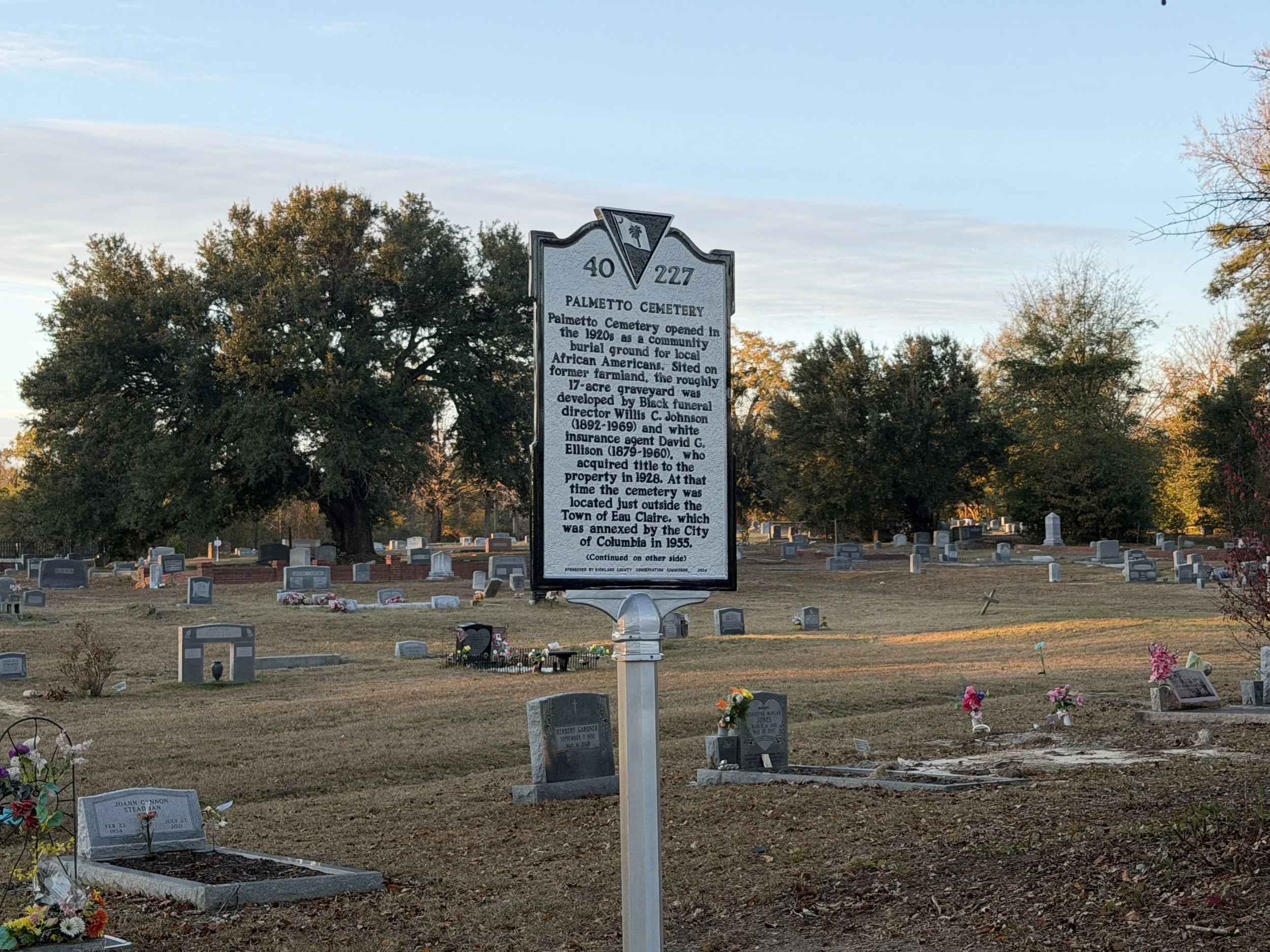
HISTORY: Palmetto Cemetery is a historically African American vernacular cemetery located along Fairfield Road in Columbia, SC. Although its earliest known burial dates to 1893, the cemetery developed into an important Black burial ground during the early twentieth century (1920), when burial lots were being sold under the direction of African American mortician Willis Craig Johnson. By the Jim Crow era, Palmetto had become a significant burial place for Columbia’s Black community, serving generations of families during a period when racial segregation shaped access to cemeteries and other public and private institutions. The cemetery contains thousands of marked and unmarked graves and reflects distinctive African American funerary traditions and burial practices, family networks, and community stewardship. Palmetto Cemetery is significant to local and Black history because its burial landscape preserves an unusually concentrated record of Columbia’s African American community across more than a century. Those interred include educators, physicians, businesspeople, veterans, religious leaders, civil rights activists, and generations of residents whose lives collectively shaped Black Columbia, including prominent figures such as Dr. Matilda A. Evans, Modjeska Monteith Simkins, James M. Hinton, Celia Dial Saxon, and Nathaniel J. Frederick. Beyond these notable individuals, Palmetto’s greatest significance lies in the broader community represented and the continuing efforts of descendants and community members to maintain, reclaim, document, and protect the cemetery. As such, Palmetto is both a burial ground and an enduring cultural landscape through which the history, social networks, traditions, and community life of Black Columbia can be understood.
BCN Contact Information:
Cory J. France
Williams-Crews Cemetery
Williams-Crews Cemetery
FOUNDED: 1829
ADDITIONAL NAMES: N/A
AFFILIATION(S):
Fountain Chapel AME Church
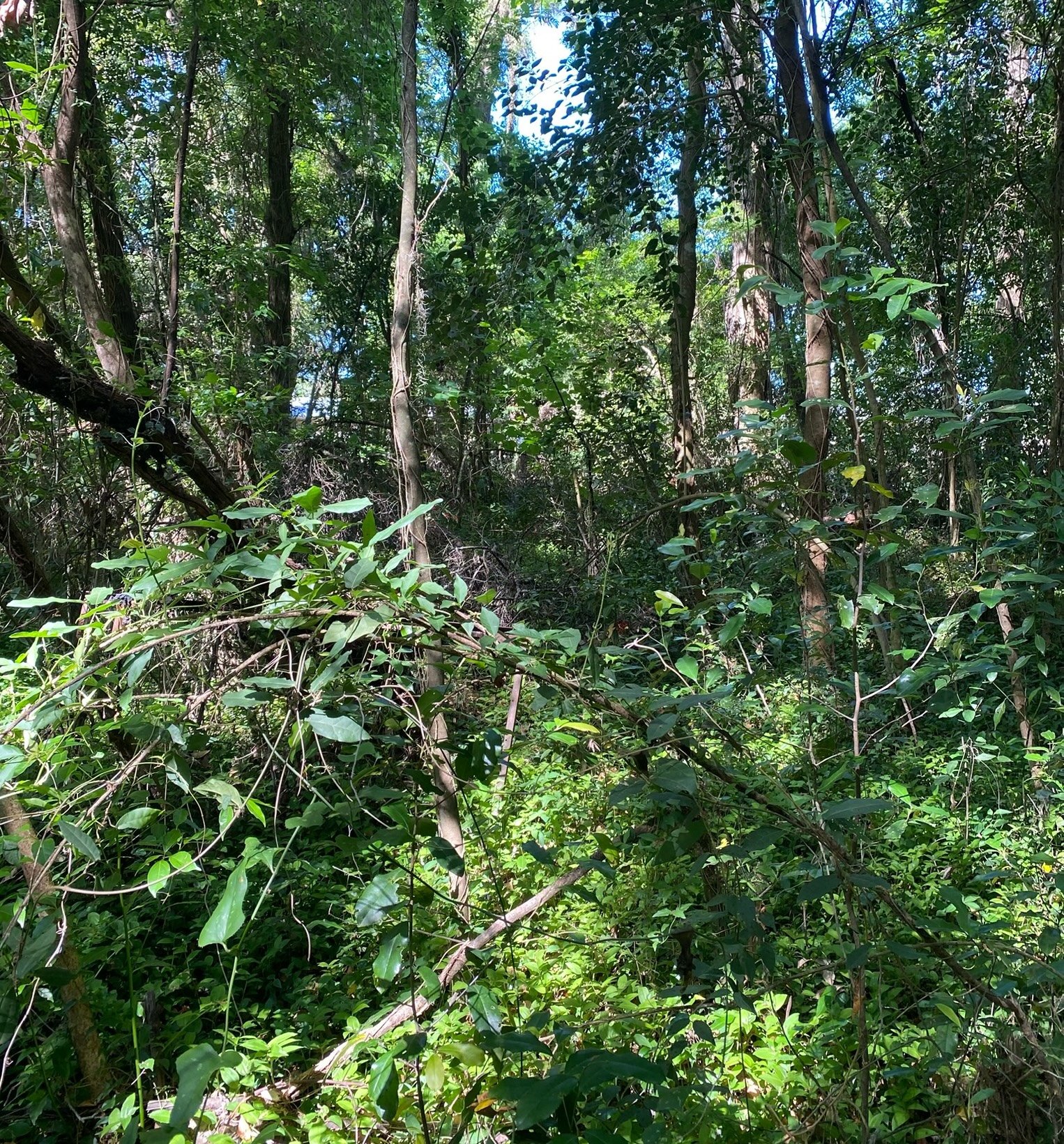
HISTORY: Williams–Crews Cemetery is a historically significant African American burial ground that reflects the long-standing presence and resilience of the Black community in Tallahassee. Oral history provided by descendant Ronald Morris indicates that the cemetery has served generations of local families and was once far more visible and actively maintained, with marked and unmarked graves extending across much of the property. The cemetery is owned by Fountain Chapel AME Church, one of the area's historic Black congregations, further underscoring its importance within the community's cultural and religious heritage. Although questions remain regarding the site's earliest history and relationship to the church, the cemetery represents an important place of remembrance for descendants and a tangible connection to the community's past. Despite decades of neglect, overgrowth, and damage from fallen trees, Williams–Crews Cemetery retains significant historical integrity through its surviving vernacular concrete grave markers, including handcrafted decorative elements that reflect local burial traditions. Oral histories and historic aerial imagery document the cemetery's continued presence within a changing landscape and highlight its role as a landmark familiar to generations of neighborhood residents. As one of the few remaining physical reminders of the area's historic Black community, the cemetery possesses considerable cultural, genealogical, and educational value, making its preservation an important priority for both descendants and the broader community.
BCN Contact Information:
Ronald Morris
North Burial Ground
North Burial Ground
FOUNDED: 1700
ADDITIONAL NAMES: The City of Providence North Burial Ground
AFFILIATION(S):
Rhode Island Black Heritage Society
New England Cemetery Association
Rhode Island Cemetery Association
International Cemetery, Cremation, and Funeral Association
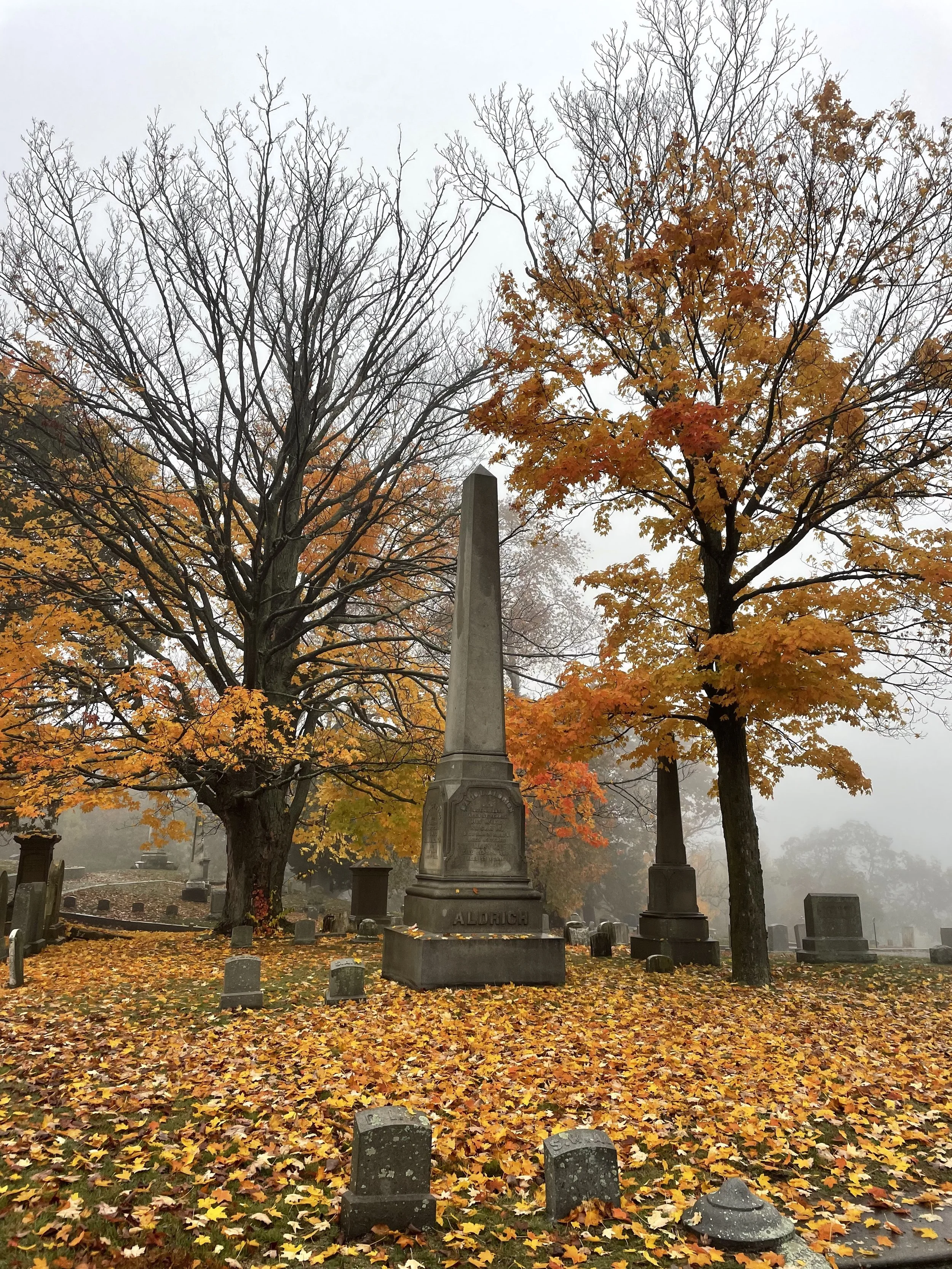
HISTORY: North Burial Ground (NBG) is an active historic cemetery located in Providence, Rhode Island, spanning 114 acres and more than 100,000 graves. In June 1700, the city of Providence set aside 45 acres to be used as a public cemetery. Though NBG is not explicitly a historic Black or African American cemetery, it is the final resting place to a significant portion of the Black Providence community. The earliest iterations of the Free Grounds were segregated into “White” and “Colored” Free Grounds through the 1920s. While the Colored Free Grounds were the resting place of individuals from various racial backgrounds, many were African American. In the 17th and 18th centuries, Rhode Island was engaged heavily in the economy built around slavery. After Emancipation, the neighborhood was home to several African American churches, schoolhouses, and community centers, properties and businesses. Today, there are increasing efforts to connect with descendant communities of those buried in the Free Grounds.
NBG is the resting place for people connected to various parts of American history. Within the historic sections are many graves of people of African descent, including Charles Haskell, a Black Revolutionary War soldier. Cape Verde communities began immigrating to Providence in the 1860s and represent a portion of burials. Other notable interments include Patience Borden, “a free woman of color,” who donated $230 to the First Baptist Church “as a fund for relief of the poor of color,” Eve Cushing, a “native of Africa” who purchased her freedom and was “an example of industry and economy worthy to be imitated,” and Union veterans from the 11th US Colored Heavy Artillery and the 14th RI Colored Heavy Artillery.
BCN Contact Information:
Annalisa Heppner
Garden of Heavenly Rest
Garden of Heavenly Rest
FOUNDED: ca. 1950
ADDITIONAL NAMES: Sarah's Memorial Gardens Cemetery
AFFILIATION(S): N/A
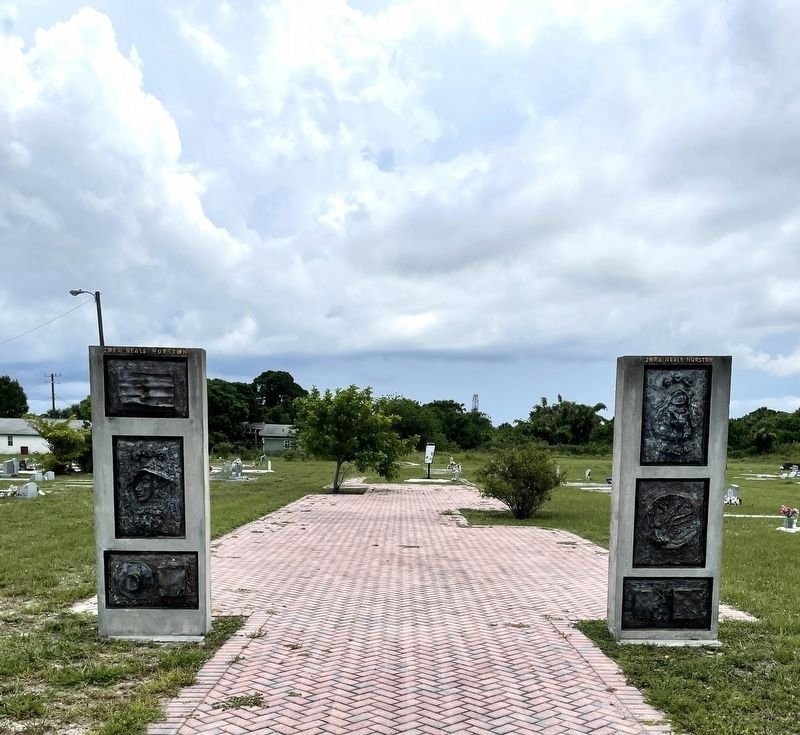
HISTORY: Garden of Heavenly Rest Cemetery in Fort Pierce, Florida, it is one of the community's most important African American burial grounds and serves as the final resting place of generations of Black residents who helped build and sustain the city despite the challenges of segregation and racial inequality. Established during an era when African Americans were often excluded from white cemeteries, the cemetery became a sacred space for memorialization, community remembrance, and cultural continuity. Its grounds contain the graves of local families, civic leaders, veterans, educators, and laborers whose lives contributed to the development of Fort Pierce and St. Lucie County.
The cemetery is nationally significant as it is the burial site of acclaimed author, anthropologist, and Harlem Renaissance figure Zora Neale Hurston (1891–1960). After her death, Hurston was buried in an unmarked grave at Garden of Heavenly Rest until author Alice Walker helped bring renewed attention to her legacy in the 1970s and arranged for a commemorative marker. Today, the cemetery is an important site of pilgrimage for scholars, literary enthusiasts, and visitors seeking to honor Hurston's contributions to African American literature and culture. As both a local heritage landmark and a place connected to one of the most influential Black writers in American history, Garden of Heavenly Rest Cemetery preserves and commemorates the enduring legacy of Black life, achievement, and resilience in Florida and beyond.
BCN Contact Information:
Marvin Hobson
Chloe Historic Cemetery
Chloe Historic Cemetery
FOUNDED: ca. 1850s
ADDITIONAL NAMES: N/A
AFFILIATION(S): Chloe African American Cemetery Preservation Association
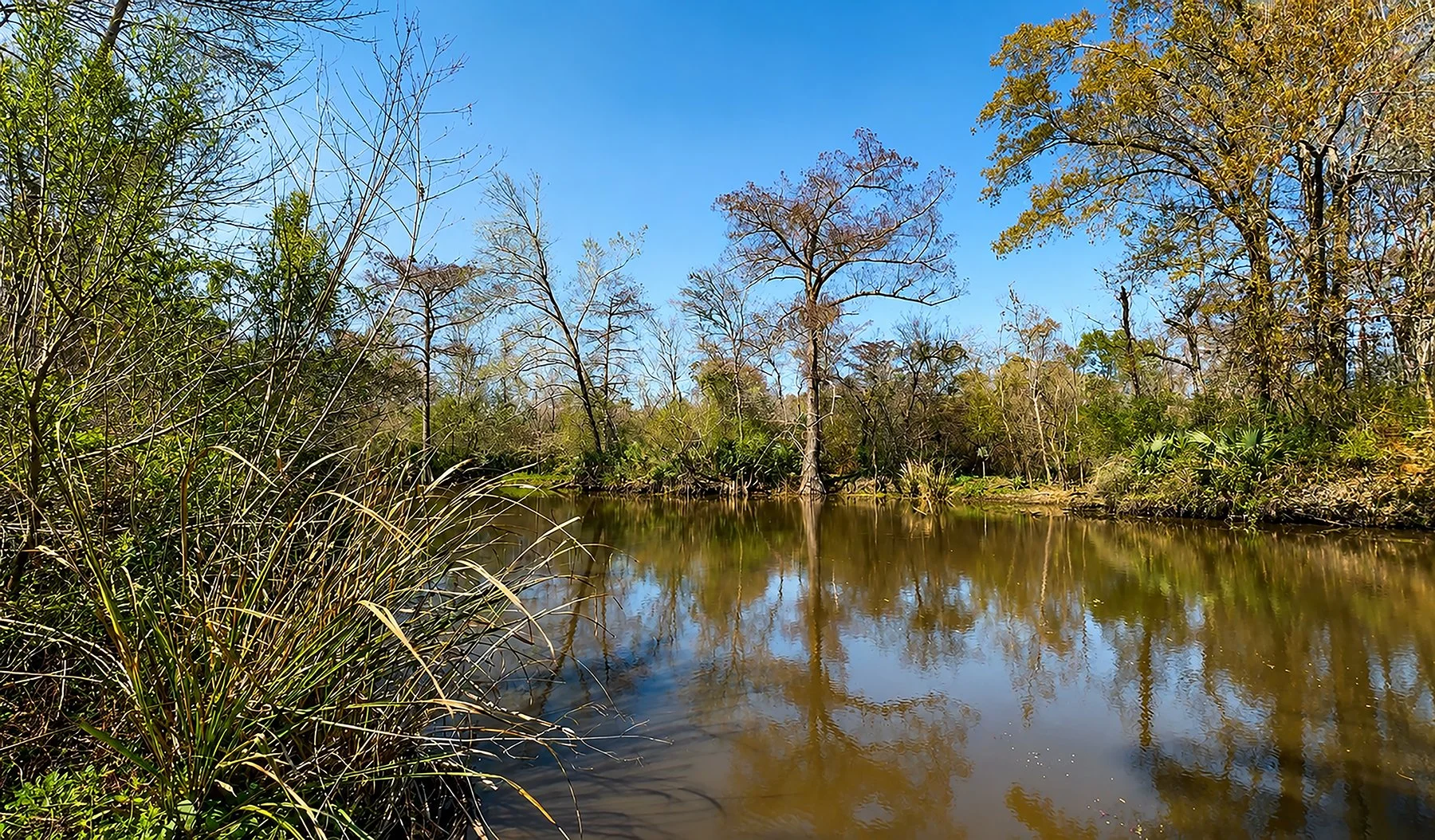
HISTORY: Chloe Historic Cemetery is a historic African American burial ground in Calcasieu Parish, Louisiana. Formally dedicated in 1904 when Eulalie St. Mary conveyed one acre of land "to the inhabitants of Chloe" for use as a public cemetery, historical records, oral histories, and ongoing genealogical research indicate the site served Black families earlier, following Emancipation. The cemetery contains the graves of formerly enslaved people, federal homesteaders, landowners, military veterans, church leaders, and generations of African American families whose lives helped shape the history of Calcasieu Parish and Southwest Louisiana. The cemetery is part of the historic English Bayou community, where African American, Creole, Indigenous (Atakapas), Cajun, French, and Spanish families lived, worked, worshipped, and built interconnected communities over generations. It is closely associated with the descendants of James Alphonse, remembered in a 1943 newspaper as "the last living slave of Major J.C. LeBleu," whose legacy includes becoming a federal homesteader, husband, father, and patriarch. After decades of neglect and damage, the Chloe African American Cemetery Preservation Association (CAACPA) is leading a descendant-driven effort to restore, document, preserve, and protect the cemetery. The project seeks not only to preserve a historic Black cemetery, but also to recover and honor the history of the families and community it represents.
BCN Contact Information:
Terry A O'Neal
Southend Cemetery
Southend Cemetery
FOUNDED: 1919
ADDITIONAL NAMES: N/A
AFFILIATION(S): N/A
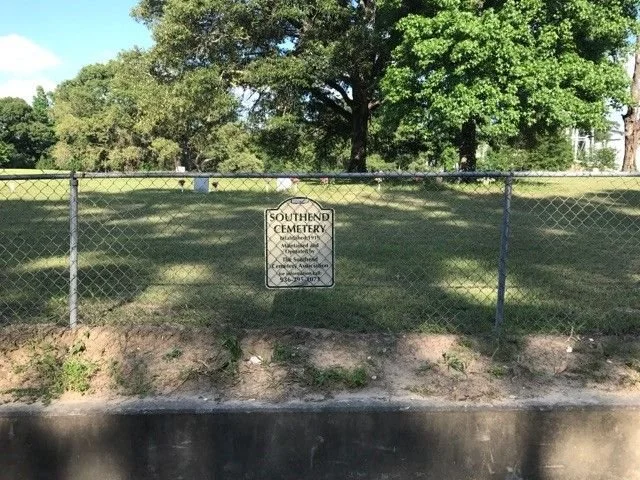
HISTORY: Southend Cemetery remains the last historic link to a predominantly Black community in Huntsville, Texas called “The Flat.” Residents of the community were forced to sell their property and relocate in the late 1960s due to the expansion of Sam Houston State University. In 1920, community leaders Will Ezell, Colonel Williams, Byrd Stubblefield and Richard Dillard purchased five acres from Gibbs Brothers & Company to establish a cemetery. There are ~300 known burials at Southend Cemetery, half of these marked. Noted burials include Sgt. Luby l. Smither, founding member of the 1st Black American Legion Post in Huntsville, and Mance Williams, owner of its 1st Black auto mechanic shop. The earliest known and marked burial is Sarah Skelton’s (Unk-Sept. 1920). The area surrounding Southend Cemetery was once wooded and the cemetery could only be accessed by a narrow dirt road. As Huntsville grew, the dirt road became an extension of Montgomery Road when that road was expanded across Highway 75 to Bowers Road. In 1998, a group of descendants and others re-organized the Southend Cemetery Association to care for that historic space. Southend Cemetery remains a testament to residents of The Flat community and preserving Black American heritage in Huntsville, Texas.
BCN Contact Information:
Dr. Marilyn Y. Byrd
Brutontown Society Ground Cemetery
Brutontown Society Ground Cemetery
FOUNDED: 1800s
ADDITIONAL NAMES: Brutontown Cemetery
AFFILIATION(S): N/A
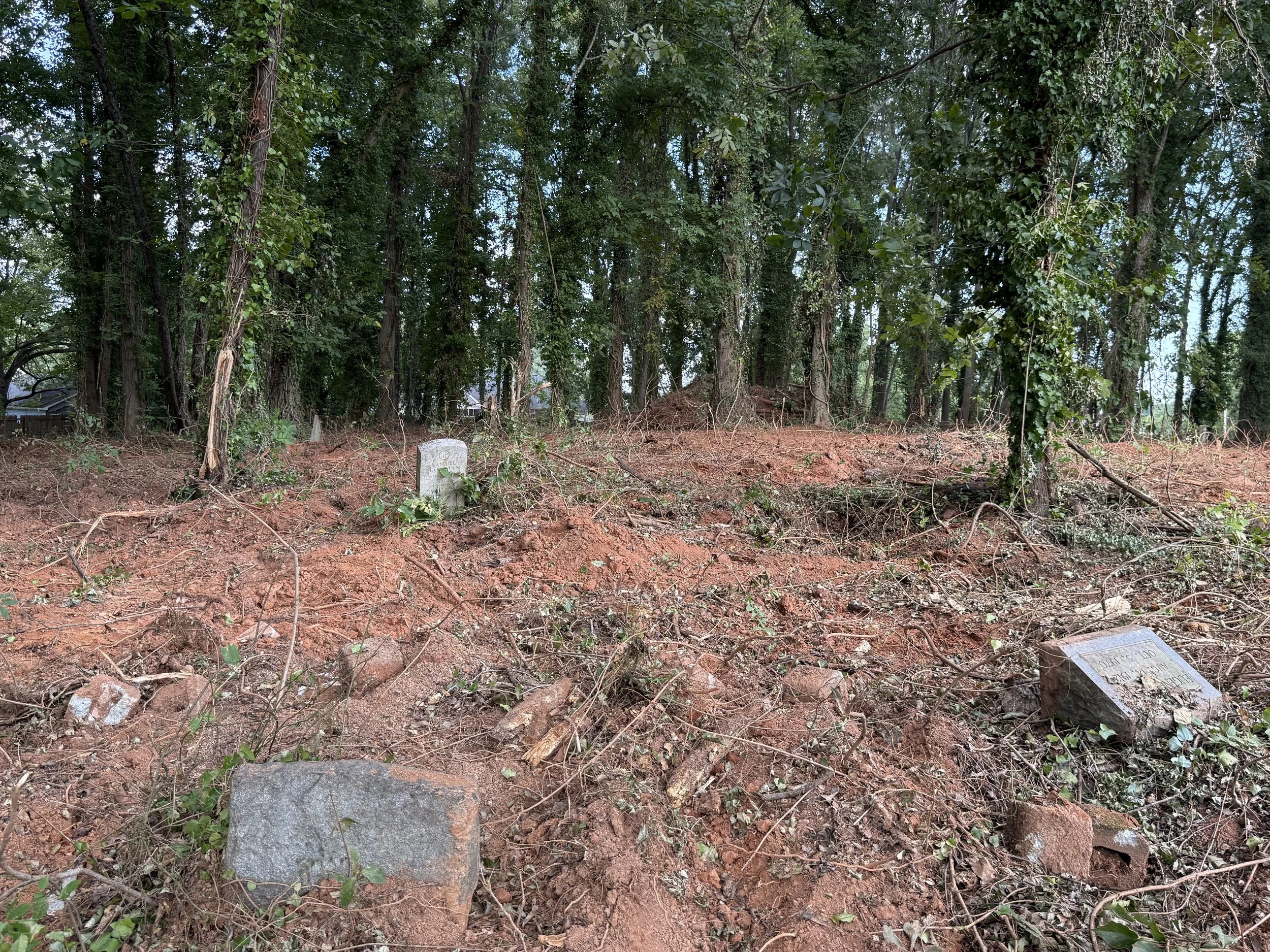
HISTORY: Established in the 1800s, Brutontown Society Ground Cemetery is an African American cemetery in Brutontown, one of Greenville's oldest Black communities. Brutontown was founded in 1874 by Benjamin Bruton, a freedman, and was home to Black tradesmen, sharecroppers, and tenant farmers. Much of the history of Brutontown Society Ground Cemetery is unknown. The only deed to the cemetery was executed in 1818 by Samuel Taylor, a free man of color (GCRA, community poster, n.d.). The cemetery serves as the final resting place for formerly enslaved people, freed men and women, and veterans. Due to damage sustained during recent cleanup efforts, several burial sites have been disturbed, headstones have been broken, and other artifacts have been lost, misplaced, or destroyed.
BCN Contact Information:
Chandra Dillard
Rocks Plantation Cemetery
Rocks Plantation Cemetery
FOUNDED: ca. 1803
ADDITIONAL NAMES: N/A
AFFILIATION(S): N/A
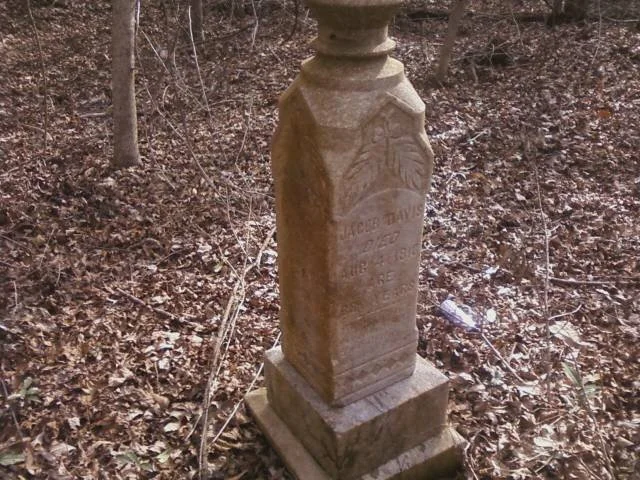
HISTORY: The Rocks Plantation was owned by Captain Peter Gaillard. Captain Peter Gaillard owned hundreds of enslaved people, the majority of whom are ancestors to living descendents, and they were buried at the Rocks Plantation Cemetery . Unfortunately, most of the interred are under Lake Marion because of the program that brought electricity to the rural areas. The Rocks Plantation "Big House" was moved more inland so the floods would not devour it. The White Gaillards, buried in the same cemetery, were moved to Church Island, S.C. - close to Eutawville, but only accessible by boat. The Black Davis/Gaillards either did not get proper notice, or didn't have a place to move and re-inter their deceased loved ones, which was a requirement to have the bodies exhumed. Time ran out and Santee Cooper authorities deemed the gravesites "undisturbed" and many of my ancestors are now submerged under Lake Marion...except for one. The one tombstone left belongs to Jacob Davis, the Great-great-grandfather of living descendents. He was born between 1853 and 1856 and died in 1915. Jacob Davis was a boy when slavery ended. Jacob's father Paul bought land in Eutawville, several hundred acres. Jacob added on to the property and built a school to educated the area children. The "Smith Hill" school predates the Rosenwald Negro Schools. Jacob’s tombstone is the only one left standing. When living descendents learned that their Great-great-grandfather's final resting place was not submerged and that the tombstone was still visible and intact, they visited and took pictures. Myra Davis-Branic was inspired to write a book chronicling their family. The book is called "Cornbread My Soul: The Davis Family of Eutawville, SC".
BCN Contact Information:
Myra Davis-Branic
Weems Slave Cemetery
Weems Slave Cemetery
FOUNDED: 1820-1830
ADDITIONAL NAMES: Weems Slave Plantation
AFFILIATION(S): N/A
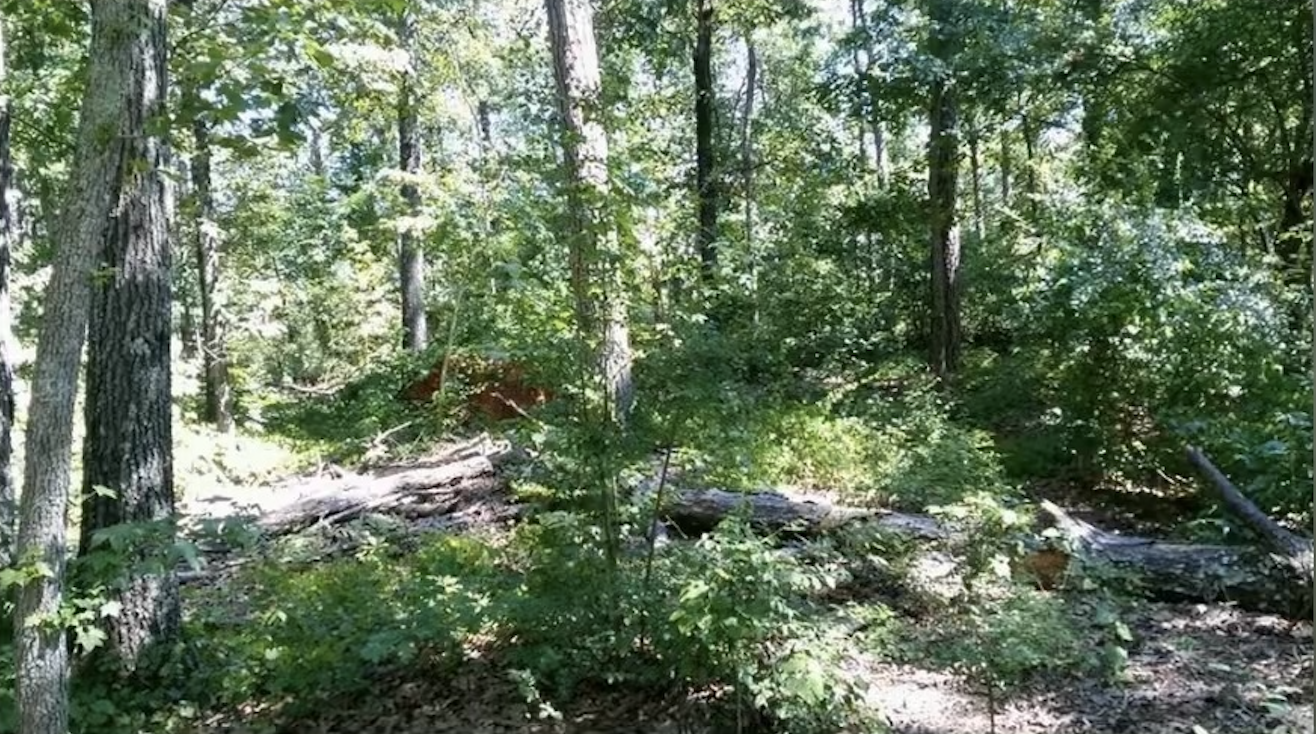
HISTORY: The Weems Slave Cemetery is a historic burial ground associated with the former Weems Plantation in Henry County, Georgia, dating to the early 1800s. The cemetery is believed to contain between 500 and 1,000 graves, including those of enslaved African Americans and Native Americans who lived and labored on the plantation. Many of the graves remain unmarked, making the site one of the largest known historic burial grounds of its kind in the area. The cemetery stands as a powerful reminder of the generations of men, women, and children whose lives helped shape Henry County’s history. The site’s significance to the local community and Black history is profound. It serves as a sacred resting place for hundreds of ancestors whose stories were largely omitted from historical records. Today, descendants, historians, archaeologists, and community members are working to preserve and protect the cemetery, ensuring that the lives, contributions, and legacies of an estimated 500 to 1,000 African American and Native American ancestors are recognized, honored, and remembered for future generations. The cemetery represents an irreplaceable link to the history of slavery, survival, family, and community in Henry County and the State of Georgia.
BCN Contact Information:
Honor Thy Roots Cemetery Preservation, Inc.
Female Union Band Society Cemetery
Female Union Band Society Cemetery
FOUNDED: 1842
ADDITIONAL NAMES: FUBS, Mount Zion West
AFFILIATION(S): N/A
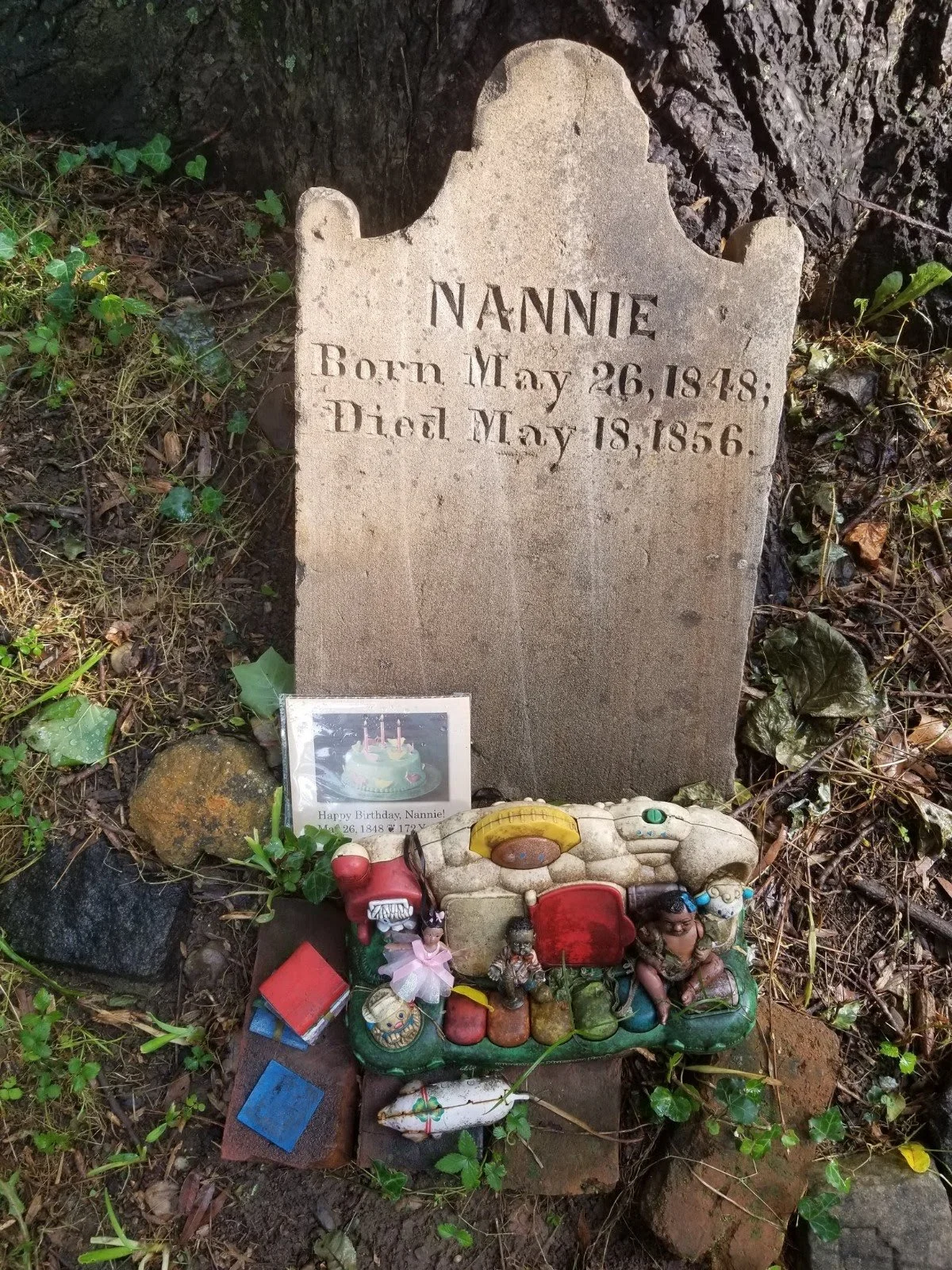
HISTORY: The Female Union Band Society Cemetery was established in 1842 by the Female Union Band Society, a benevolent organization led by free Black women in Georgetown, Washington, DC. Decades before emancipation, these women purchased land in the nation’s capital and created a permanent place of burial, remembrance, and community care. The cemetery is a powerful example of free Black women’s leadership, mutual aid, land ownership, and Black self-determination in antebellum America. The cemetery is significant to local, national, and international Black history. Those buried here are connected to Georgetown, Washington, DC, Maryland, Virginia, the wider United States, and beyond. Their lives reflect histories of slavery and freedom, migration, faith, education, military service, skilled work, property ownership, family networks, and community institution-building. The cemetery was listed in the National Register of Historic Places in 1975 and, together with Mount Zion Cemetery was designated in 2018 as an UNESCO’s site of memory associated with the Routes of Enslaved Peoples programme.
BCN Contact Information:
Lisa Fager
Mount Zion Cemetery
Mount Zion Cemetery
FOUNDED: 1808
ADDITIONAL NAMES: Old Methodist Burying Ground, Mt Zion Cemetery
AFFILIATION(S): Mount Zion United Methodist Church
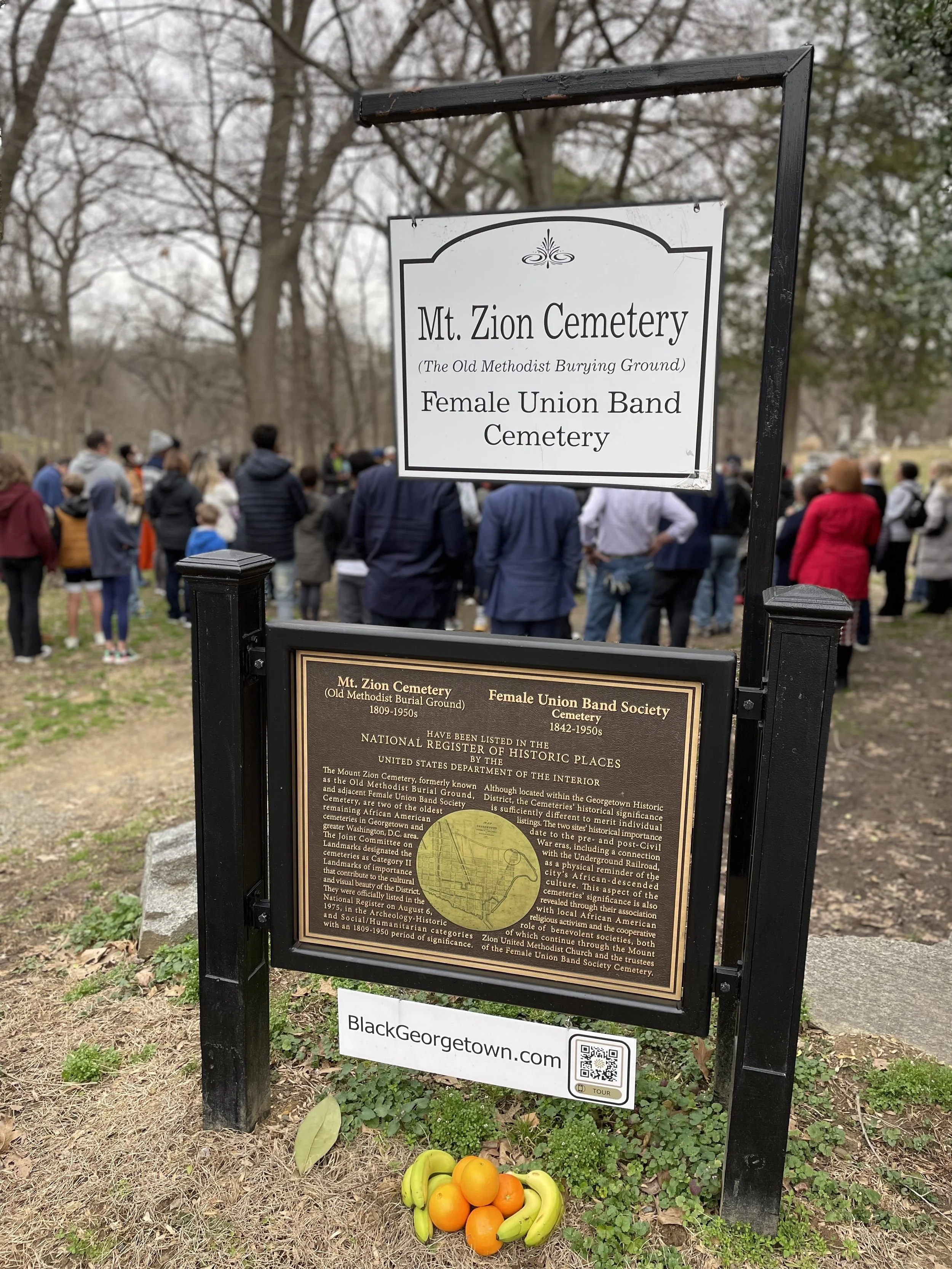
HISTORY: Mount Zion Cemetery, historically known as the Old Methodist Burying Ground, was established in 1808 by Montgomery Street Methodist Episcopal Church, a racially mixed Methodist congregation in Georgetown. In 1816, many of the Black members of that church left to form Mount Zion United Methodist Church, Washington, DC’s oldest Black congregations. Over time, the cemetery became a sacred burial ground for generations of Black Georgetown residents, including free and enslaved people, church leaders, laborers, artisans, educators, Civil War veterans, families, and community builders. The cemetery is significant to Black history because it reflects both the interracial origins of early Methodism in Georgetown and the emergence of independent Black religious, family, and community networks in the nineteenth century. Mount Zion Cemetery preserves the memory of Black Georgetown residents who built churches, schools, businesses, mutual aid networks, and freedom-seeking communities across generations. It is also associated with Underground Railroad history through Mount Zion’s burial vault and the broader networks connected to the church. The site was listed in the National Register of Historic Places in 1975 and, with the adjacent Female Union Band Society Cemetery, designated a UNESCO Slave Route Project Site of Memory in 2018. Today, the cemetery remains an important site of remembrance, research, preservation, and public education.
BCN Contact Information:
Lisa Fager
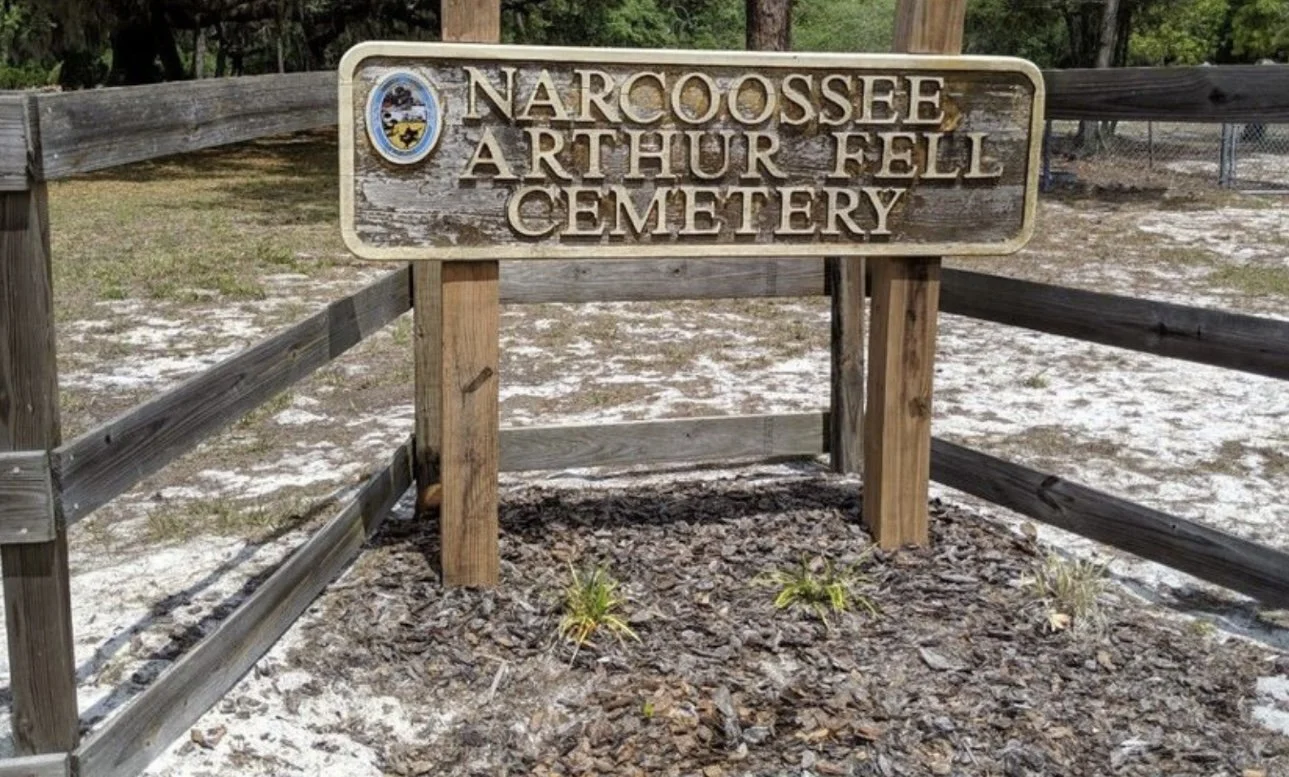
Narcoossee Arthur Fell Cemetery
Narcoossee Arthur Fell Cemetery
FOUNDED: 1911
ADDITIONAL NAMES: Whitted Historic Community
AFFILIATION(S): St. Luke Missionary Baptist Church (Narcoossee)
HISTORY: The Arthur J. Fell Memorial Cemetery, also known as the Narcoossee Cemetery, is a historic burial ground located in St. Cloud (Narcoossee), FL. Originally platted in 1892, Arthur J. Fell formally deeded the land “for use forever as a public cemetery for and by the people of Narcoossee and vicinity” on October 16, 1911. Since then, the cemetery has served as the final resting place for generations of locals, preserving history of one Osceola County’s oldest communities. The cemetery remains active and maintained the county. The cemetery holds particular significance to Black History in Narcoossee, as it contains the graves of African American pioneers, laborers, church leaders, veterans, and families whose work in the citrus, sugar cane, and turpentine industries helped build the community. Many of these families were associated with the historic St. Luke Missionary Baptist Church (Narcoossee) following migration from North Carolina in the late 1800s. The cemetery serves as an important cultural and historical resource, preserving the stories and legacies of Black families, including members of the Paul, Whitted, and other pioneering families, whose lives are an integral part of Narcoossee’s history and the broader African American heritage of Central Florida.
BCN Contact Information:
Jessica Paul