Site Brief:
Founded: 1850s
Location: Starkville, MS
Additional name(s): Starkville Colored Cemetery
Affiliate group(s):
First Church of Christ Holiness
Second Baptist Church
Griffin Chapel United Methodist Church
History:
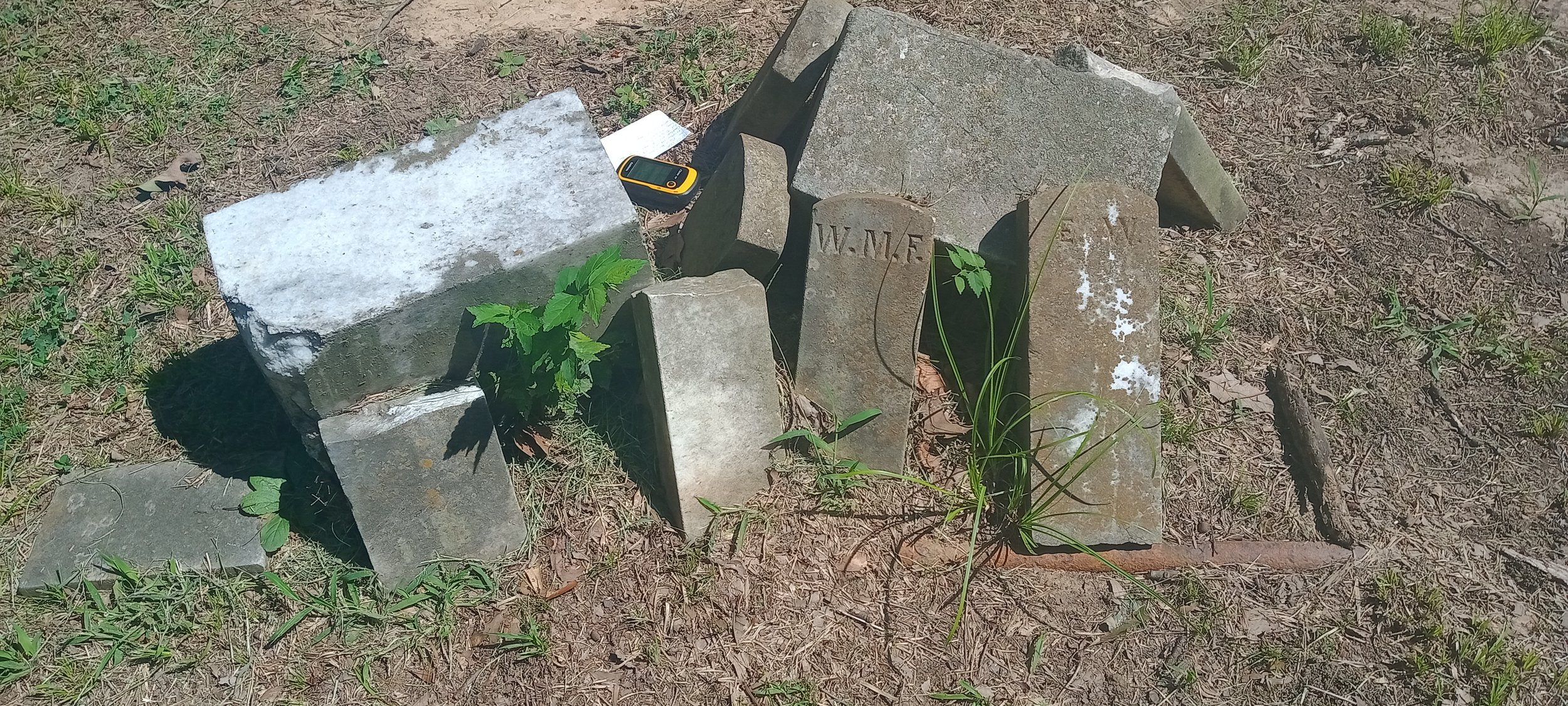
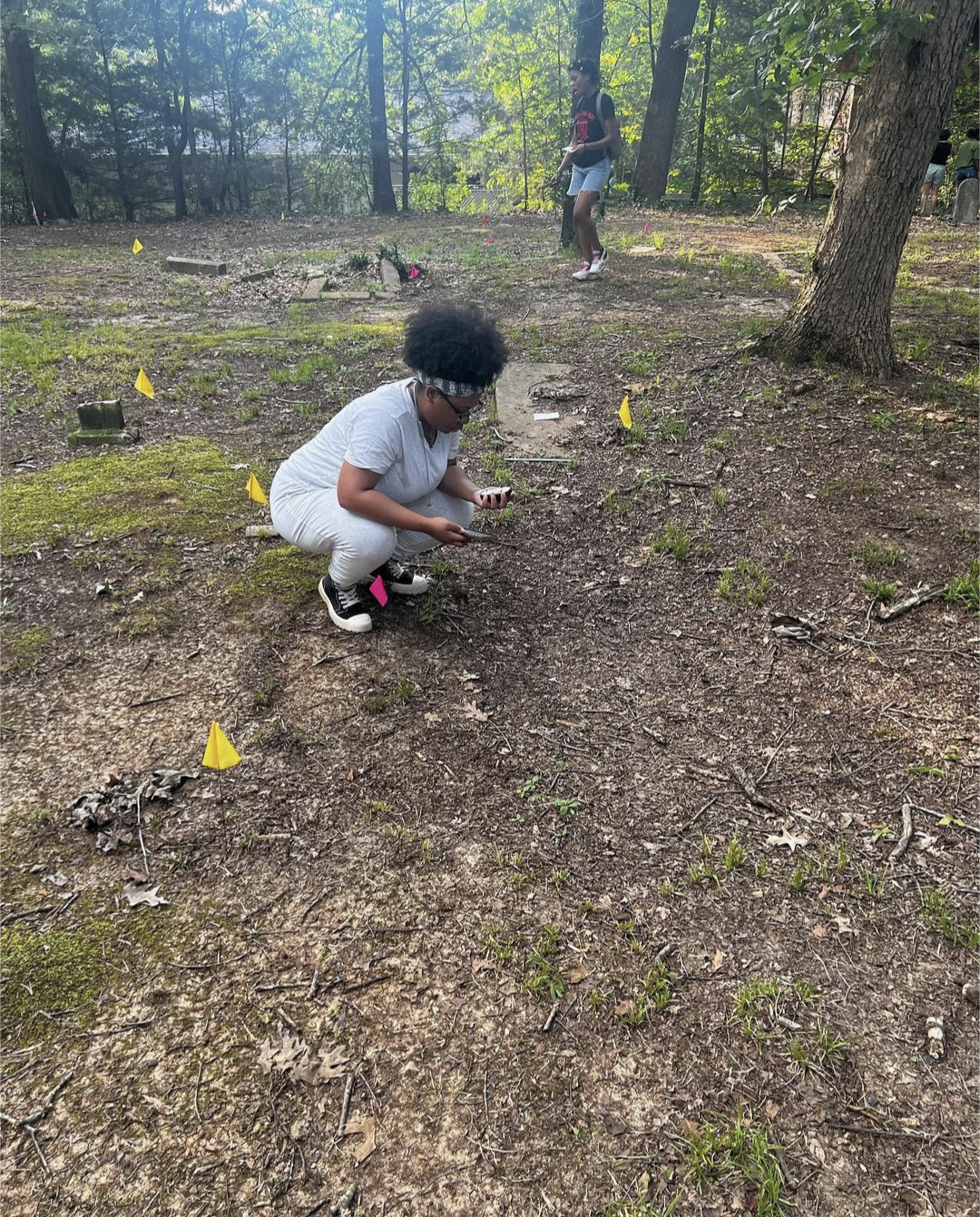
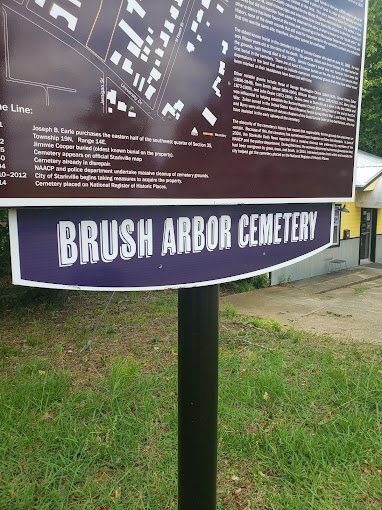
The land where Brush Arbor Cemetery is located was first purchased in 1841 by plantation owner and enslaver Robert A. Lampkin. Oral history suggests the cemetery was used as a burial ground for enslaved individuals as early as the 1850s. During Reconstruction, a union church was formed between the Methodists and Baptists, who worshipped together at the site. In 1868, the site formally came under African American control when it was sold to Nelson Yeates and David Higgins for use as a burial ground for African Americans in Oktibbeha County. There are 46 marked graves, but a GPR survey indicates that there are at least 80 unmarked burials. The earliest marked burial dates to 1904, and the latest marked burial to 1954. Community historians, however, have identified burials that took place in the cemetery as late as 1969.
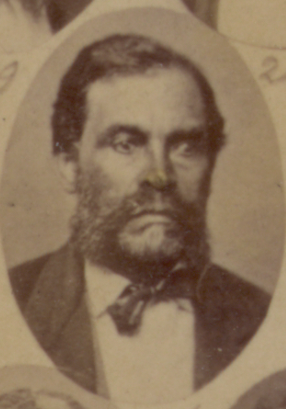
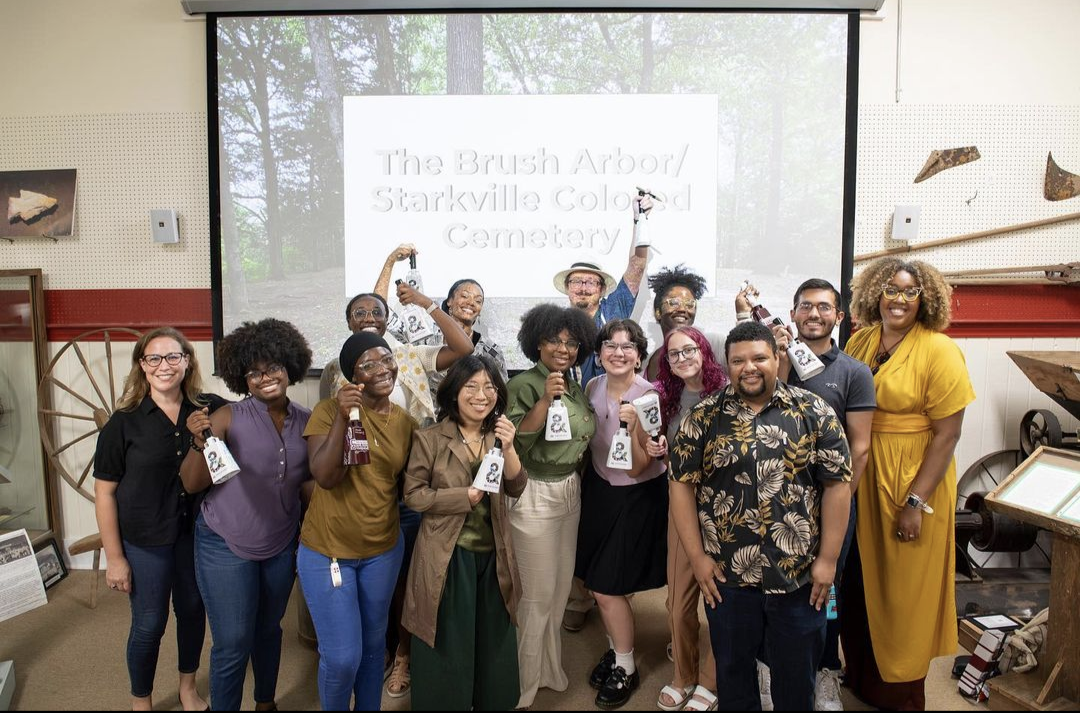
Brush Arbor Cemetery is significant because of the role this space played in the creation of two of the first Black churches in Starkville, which would become sites where the moral compasses of local educational leaders and civil rights activists were calibrated. From Reconstruction through the 1960s, Brush Arbor Cemetery was the final resting place for many Black citizens of Starkville, including pioneering Reconstruction-era politicians, local civil rights advocates, and veterans of the Civil War, World War I, and World War II. In 2012, the city of Starkville took over maintenance of the cemetery. In 2014, the cemetery was listed on the National Register of Historic Places thanks to the work of cemetery descendant Martha Collins. Today, a coalition of community organizations, cemetery descendants, Mississippi State University faculty, and city officials advocate collectively for the cemetery.
Resource links:
BCN Contact Information:
Sydney Pullen