North Burial Ground
Site Brief:
Founded: 1700
Location: Providence, RI
Additional name(s): The City of Providence North Burial Ground
Affiliate group(s):
Rhode Island Black Heritage Society
New England Cemetery Association
Rhode Island Cemetery Association
International Cemetery, Cremation, and Funeral Association
History:
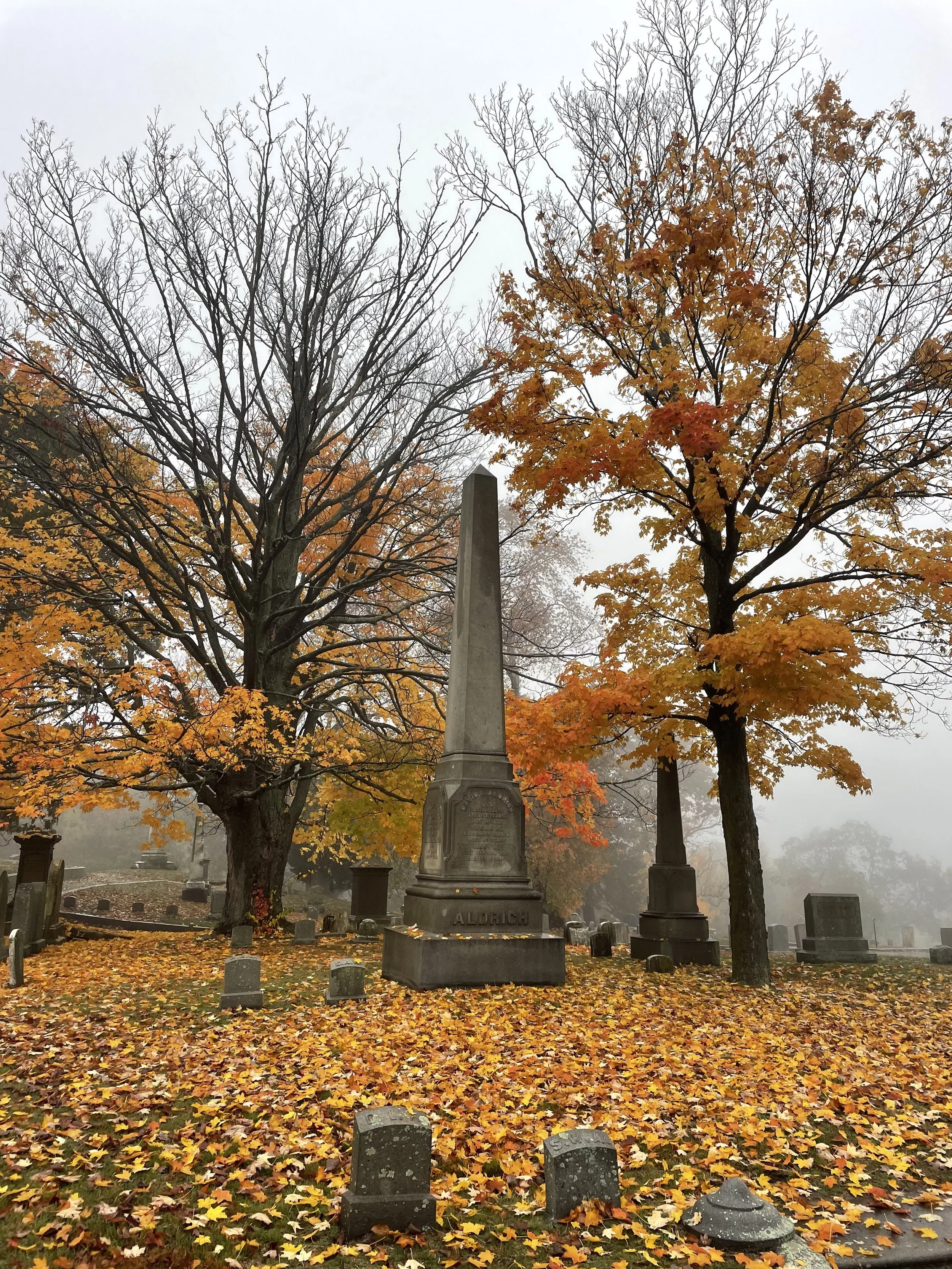
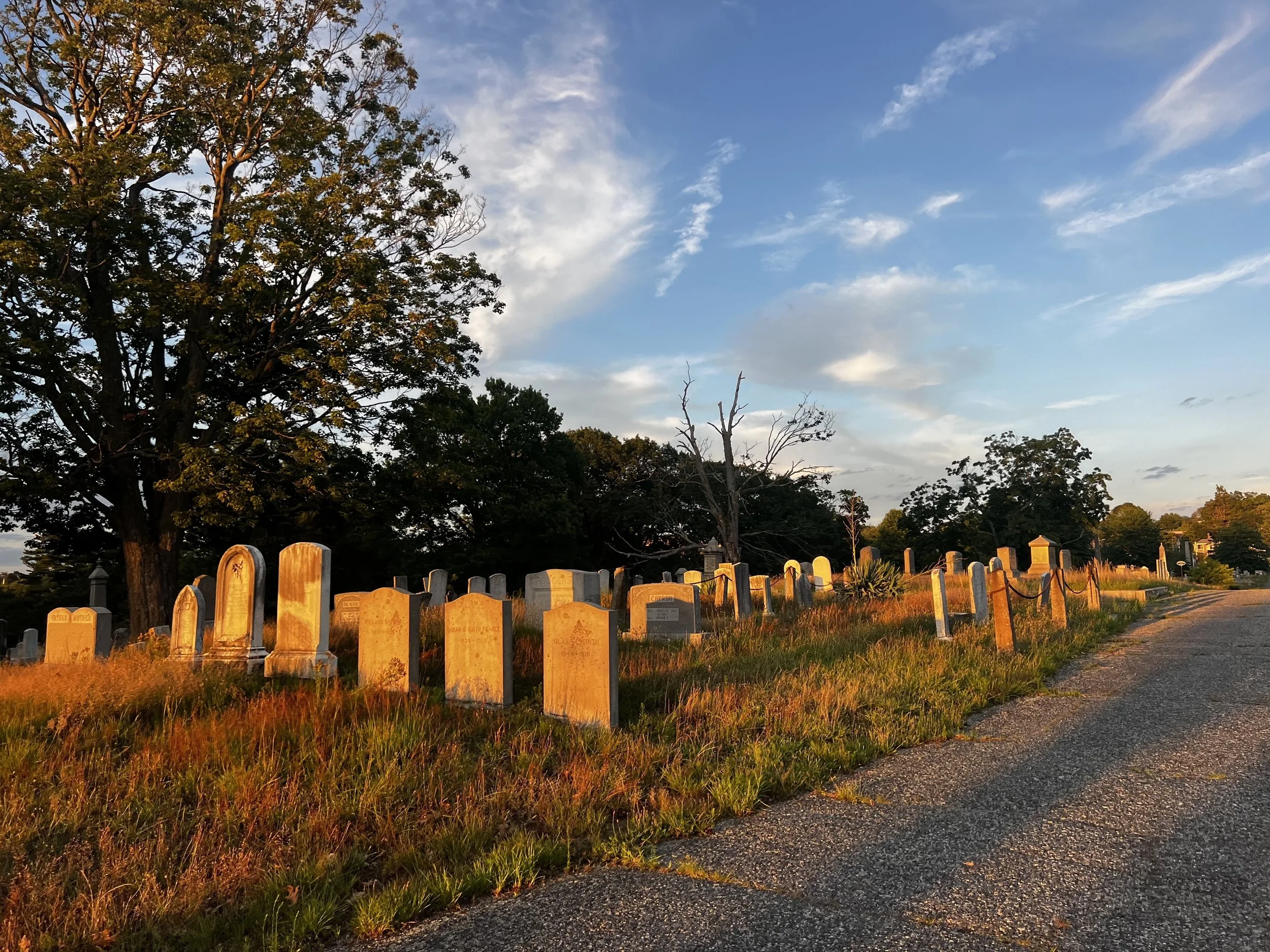
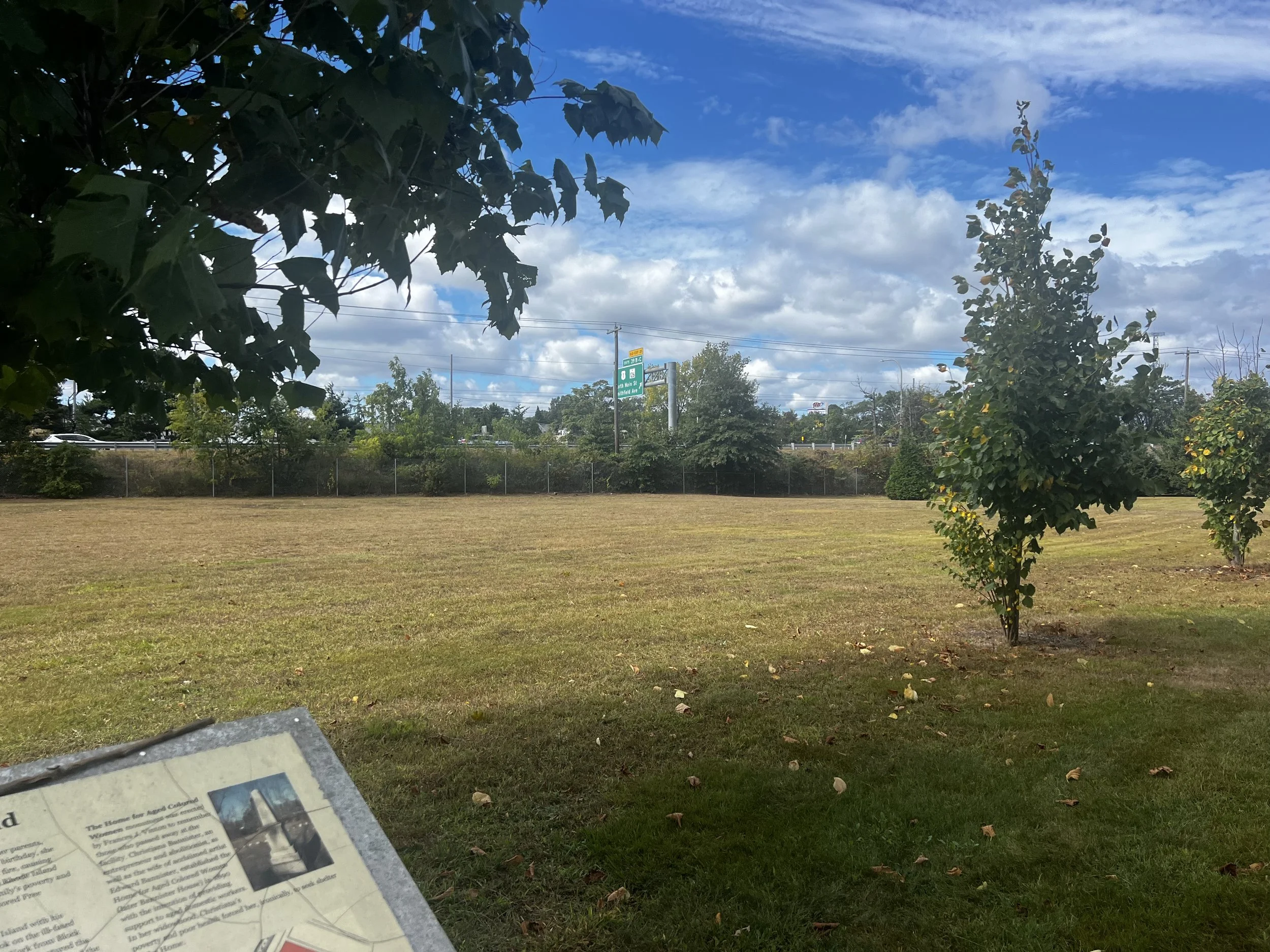
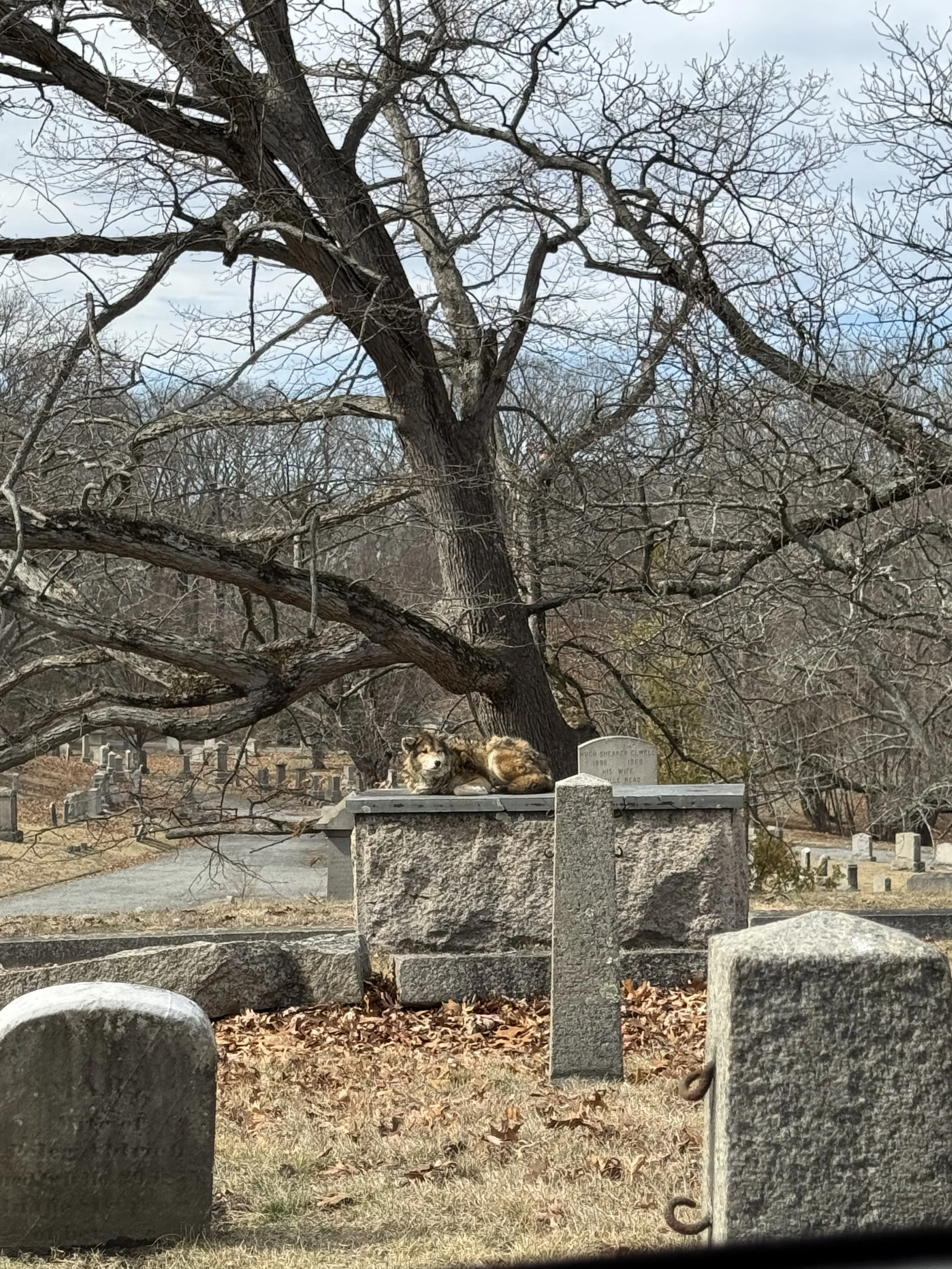
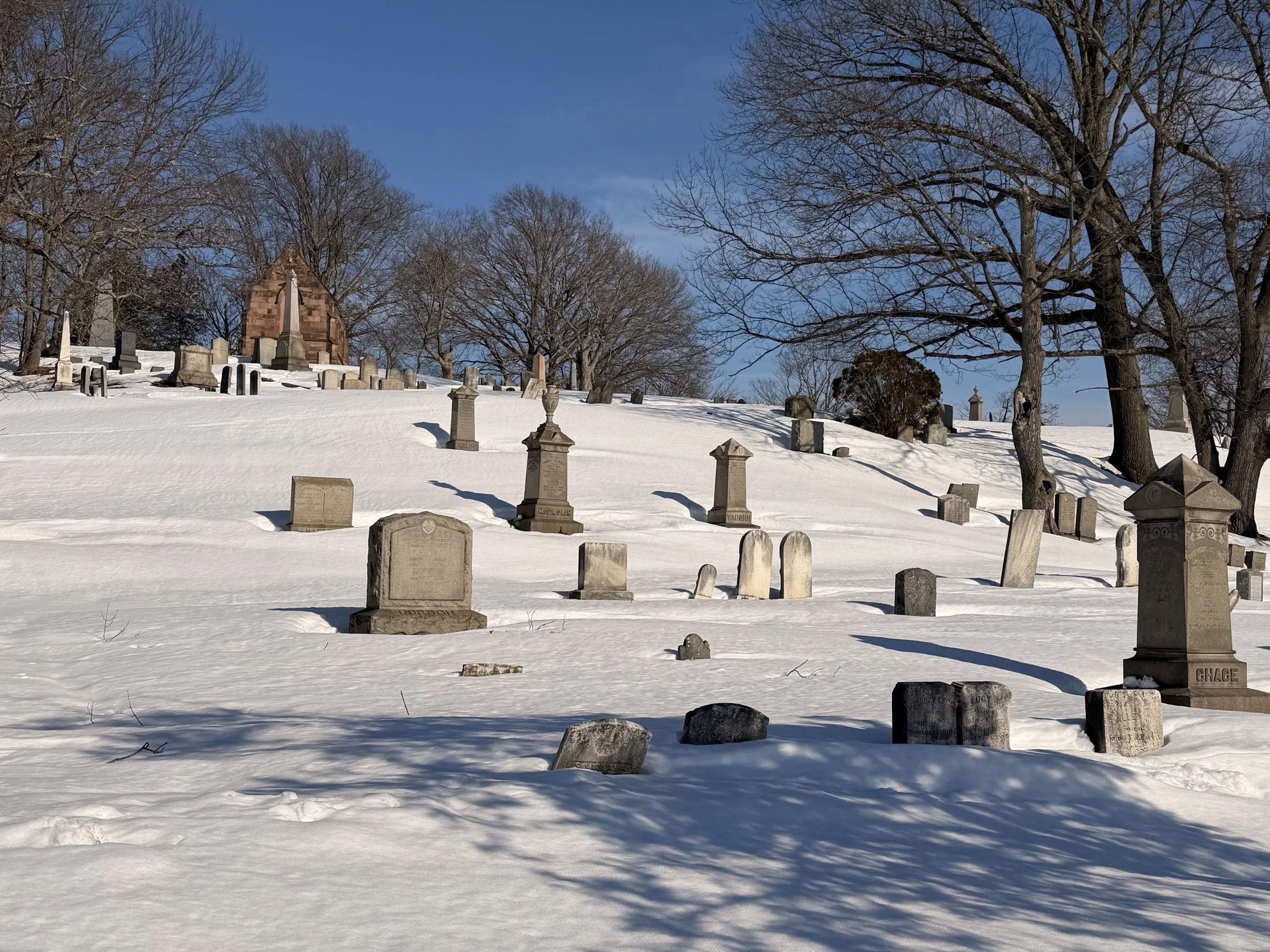
North Burial Ground (NBG) is an active historic cemetery located in Providence, Rhode Island. In June 1700, the city of Providence set aside 45 acres to be used as a public cemetery. Though NBG is not explicitly a historic Black or African American cemetery, it is the final resting place to a significant portion of the Black Providence community. From the colonial era to the present day, NBG maintained state-sponsored “Free Grounds” (in a limited capacity). The earliest iterations of the Free Grounds were segregated into “White” and “Colored” Free Grounds through the 1920s. While the Colored Free Grounds were the resting place of individuals from various racial backgrounds, many were African American. In the 17th and 18th centuries, Rhode Island was engaged heavily in the economy built around slavery; it was the departure point for nearly 60% of all North American slaving voyages in the 18th century. After Emancipation, the neighborhood was home to several African American churches, schoolhouses, and community centers, as well as property and businesses owned by African Americans. Today, there are increasing efforts to connect with descendant communities of those buried in the Free Grounds.
NBG is the resting place for people connected to various parts of American history. Within the historic sections, for example, are many graves of people of African descent, including Charles Haskell, a Black Revolutionary War soldier. Cape Verde communities began immigrating to Providence in the 1860s and additionally represent a portion of present burials. Other notable internments include Patience Borden, “a free woman of color,” who donated $230 to the First Baptist Church “as a fund for relief of the poor of color,” Eve Cushing, a “native of Africa” who purchased her freedom and was “an example of industry and economy worthy to be imitated,” and Union veterans from the 11th US Colored Heavy Artillery and the 14th RI Colored Heavy Artillery. Today, NBG spans 114 acres and contains more than 100,000 graves. NBG was always a common burying ground, open to all regardless of race, class, religion, or other demographic markers.
BCN Contact Information:
Annalisa Heppner