SITE DIRECTORY
To learn more about any of the BCN sites listed below, click “Read more” to view individual site briefs. To search for a specific BCN site, use the search bar below:
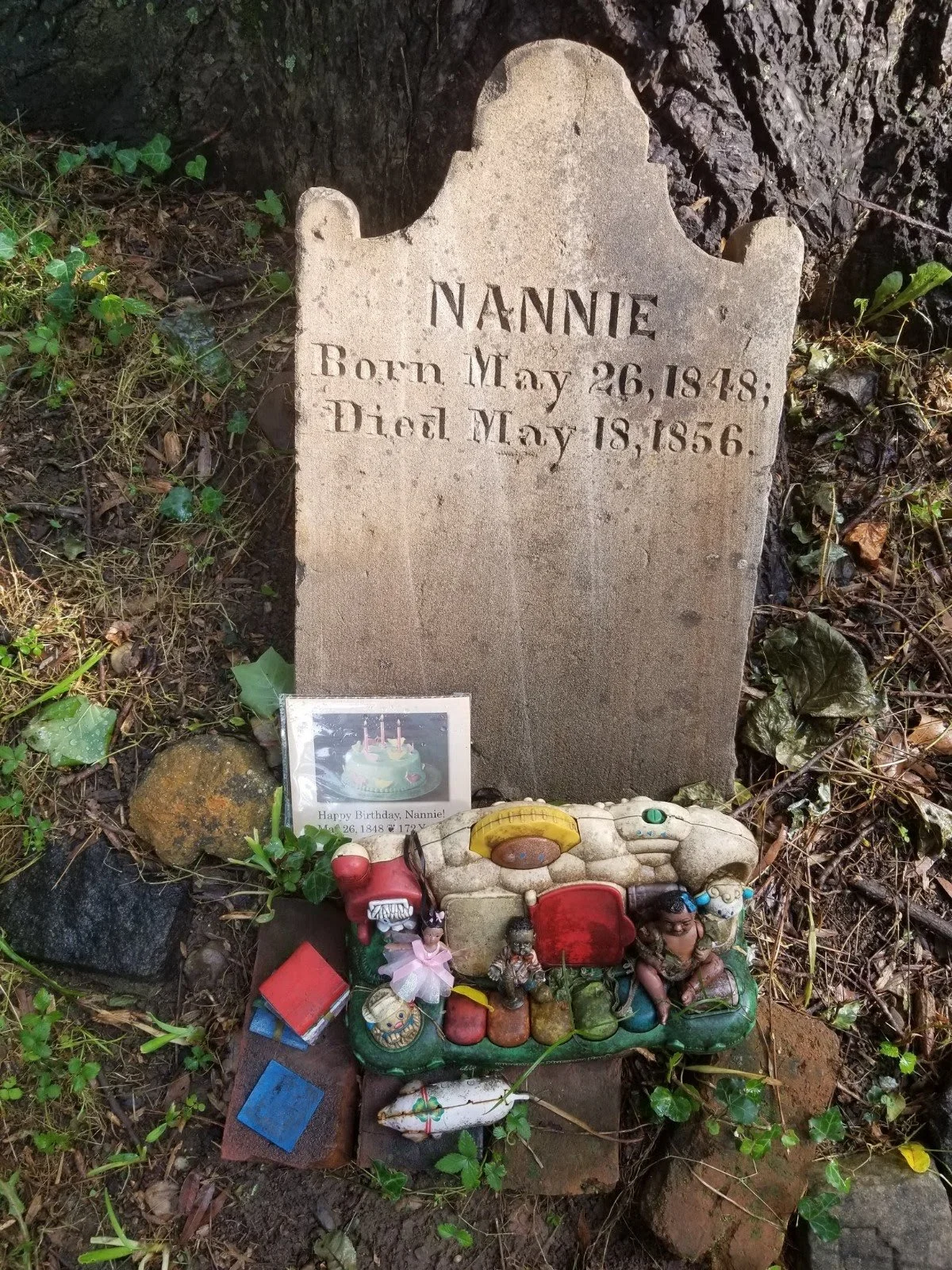
Female Union Band Society Cemetery
Female Union Band Society Cemetery
FOUNDED: 1842
ADDITIONAL NAMES: FUBS, Mount Zion West
AFFILIATION(S): N/A
HISTORY: The Female Union Band Society Cemetery was established in 1842 by the Female Union Band Society, a benevolent organization led by free Black women in Georgetown, Washington, DC. Decades before emancipation, these women purchased land in the nation’s capital and created a permanent place of burial, remembrance, and community care. The cemetery is a powerful example of free Black women’s leadership, mutual aid, land ownership, and Black self-determination in antebellum America. The cemetery is significant to local, national, and international Black history. Those buried here are connected to Georgetown, Washington, DC, Maryland, Virginia, the wider United States, and beyond. Their lives reflect histories of slavery and freedom, migration, faith, education, military service, skilled work, property ownership, family networks, and community institution-building. The cemetery was listed in the National Register of Historic Places in 1975 and, together with Mount Zion Cemetery was designated in 2018 as an UNESCO’s site of memory associated with the Routes of Enslaved Peoples programme.
BCN Contact Information:
Lisa Fager
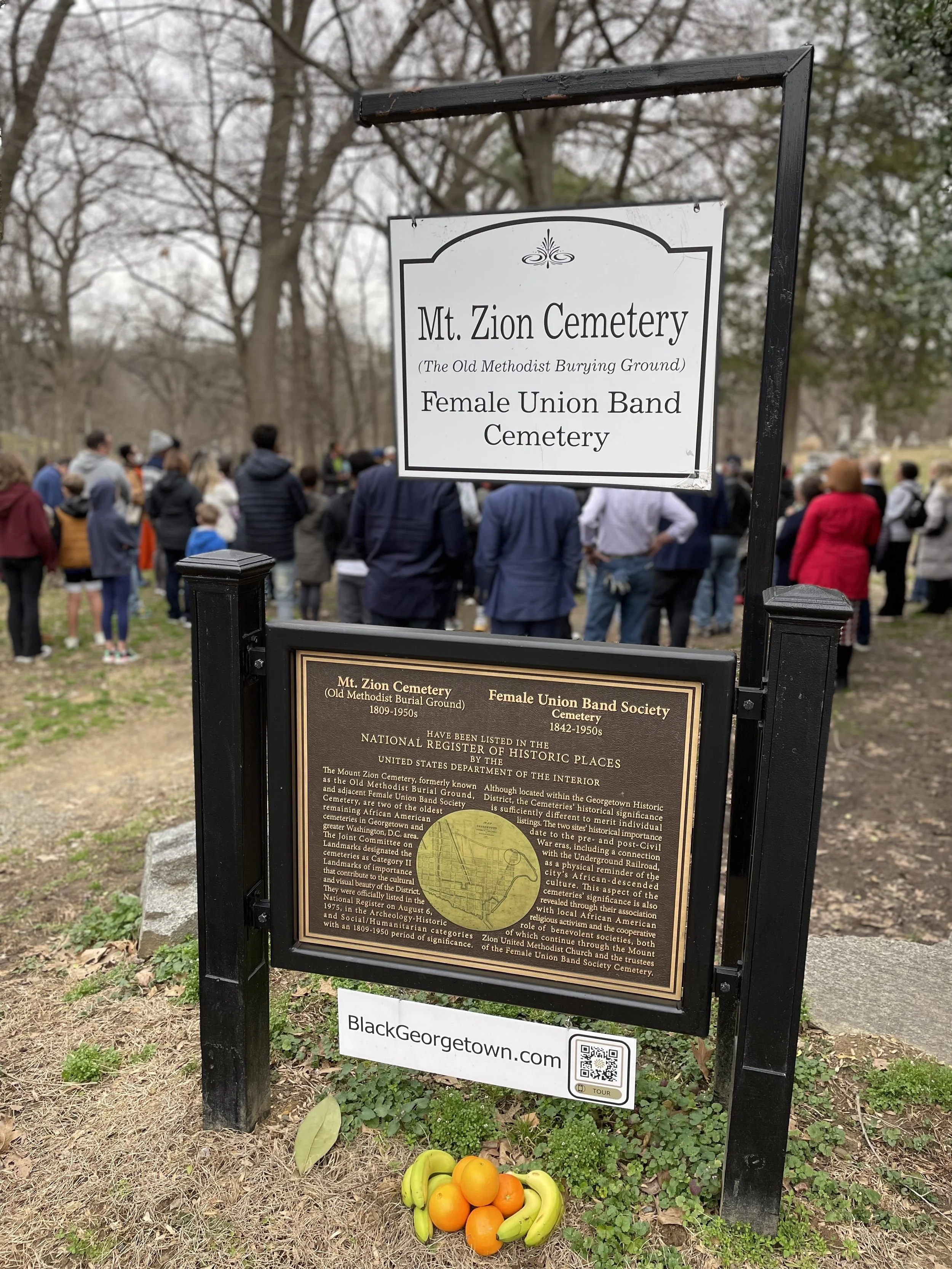
Mount Zion Cemetery
Mount Zion Cemetery
FOUNDED: 1808
ADDITIONAL NAMES: Old Methodist Burying Ground, Mt Zion Cemetery
AFFILIATION(S): Mount Zion United Methodist Church
HISTORY: Mount Zion Cemetery, historically known as the Old Methodist Burying Ground, was established in 1808 by Montgomery Street Methodist Episcopal Church, a racially mixed Methodist congregation in Georgetown. In 1816, many of the Black members of that church left to form Mount Zion United Methodist Church, Washington, DC’s oldest Black congregations. Over time, the cemetery became a sacred burial ground for generations of Black Georgetown residents, including free and enslaved people, church leaders, laborers, artisans, educators, Civil War veterans, families, and community builders. The cemetery is significant to Black history because it reflects both the interracial origins of early Methodism in Georgetown and the emergence of independent Black religious, family, and community networks in the nineteenth century. Mount Zion Cemetery preserves the memory of Black Georgetown residents who built churches, schools, businesses, mutual aid networks, and freedom-seeking communities across generations. It is also associated with Underground Railroad history through Mount Zion’s burial vault and the broader networks connected to the church. The site was listed in the National Register of Historic Places in 1975 and, with the adjacent Female Union Band Society Cemetery, designated a UNESCO Slave Route Project Site of Memory in 2018. Today, the cemetery remains an important site of remembrance, research, preservation, and public education.
BCN Contact Information:
Lisa Fager