SITE DIRECTORY
To learn more about any of the BCN sites listed below, click “Read more” to view individual site briefs. To search for a specific BCN site, use the search bar below:
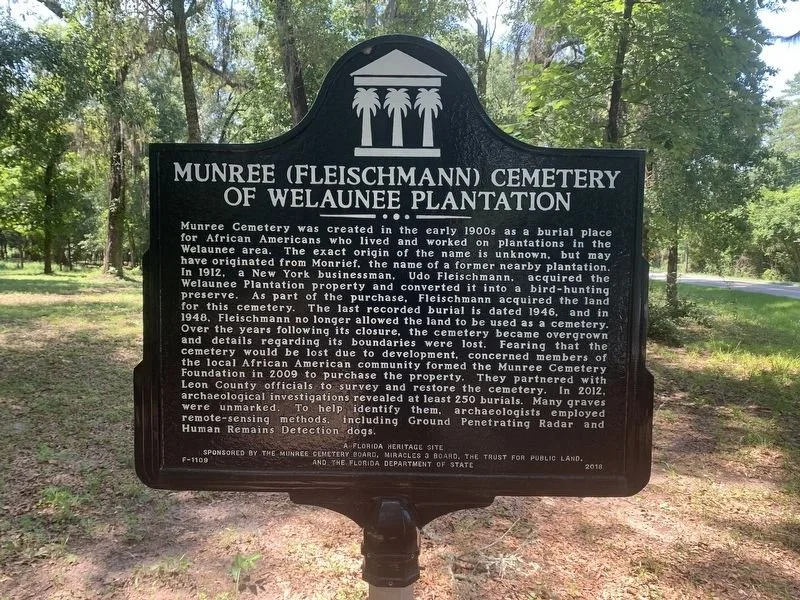
Munree Cemetery
Munree Cemetery
FOUNDED: early 1900s
ADDITIONAL NAMES: Munree (Fleischmann) Cemetery of Welaunee Plantation
AFFILIATION(S):
Munree Cemetery Foundation
John Gilmore Riley Museum
20th of MAY Group
HISTORY: Munree Cemetery is a historical cemetery of 5 acres located on Edenfield Road miles north of U.S. 90 in Leon County, Tallahassee, Florida. It contains over 250 rediscovered burials of African Americans and calls attention to the import of focusing on lost and erased Black cemeteries and the histories they contain. The cemetery was created during the early 1900s for African Americans who lived and worked as sharecroppers and tenant farmers on the land and plantations named Welaunee. In 1912, a New York businessman, Udo Fleischmann, acquired the Welaunee Plantation property and converted it into a bird-hunting preserve. As part of the purchase, Fleischmann also acquired the land used for Munree cemetery. The last recorded burial is dated 1946, and in 1948, Fleischmann no longer allowed the land to be used as a cemetery. Over the years following the closure of Munree cemetery it became overgrown and eventually lost through the years of neglect and unclear boundaries marking its location on the landscape.
Munree cemetery was a lost and found cemetery, rediscovered during road construction in 2009. In 2009, concerned members of the local African American community formed the Munree Cemetery Foundation to purchase the property. They partnered with Leon County officials to survey and restore the cemetery. In 2012, community volunteers worked to help clear the land of overgrown bush to allow archaeological investigations to be conducted, revealing at least 250 burials. Less than 50 burials still have visible headstones. The Munree Cemetery Foundation works year-round to maintain the cemetery grounds. One goal is to open the Welaunee Memorial Museum. The museum will showcase community involvement and display research findings and the history and happening at Munree cemetery. The overall goal of the Munree Cemetery Foundation is to welcome and embrace volunteers interested to be a part of the ongoing mission of maintaining and caring for the cemetery grounds and helping to keep the history of the those buried there alive for future generations.
BCN Contact Information:
Kabuya Pamela Bowens Saffo (KPBSaffo)
Williams-Crews Cemetery
Williams-Crews Cemetery
FOUNDED: 1829
ADDITIONAL NAMES: N/A
AFFILIATION(S):
Fountain Chapel AME Church
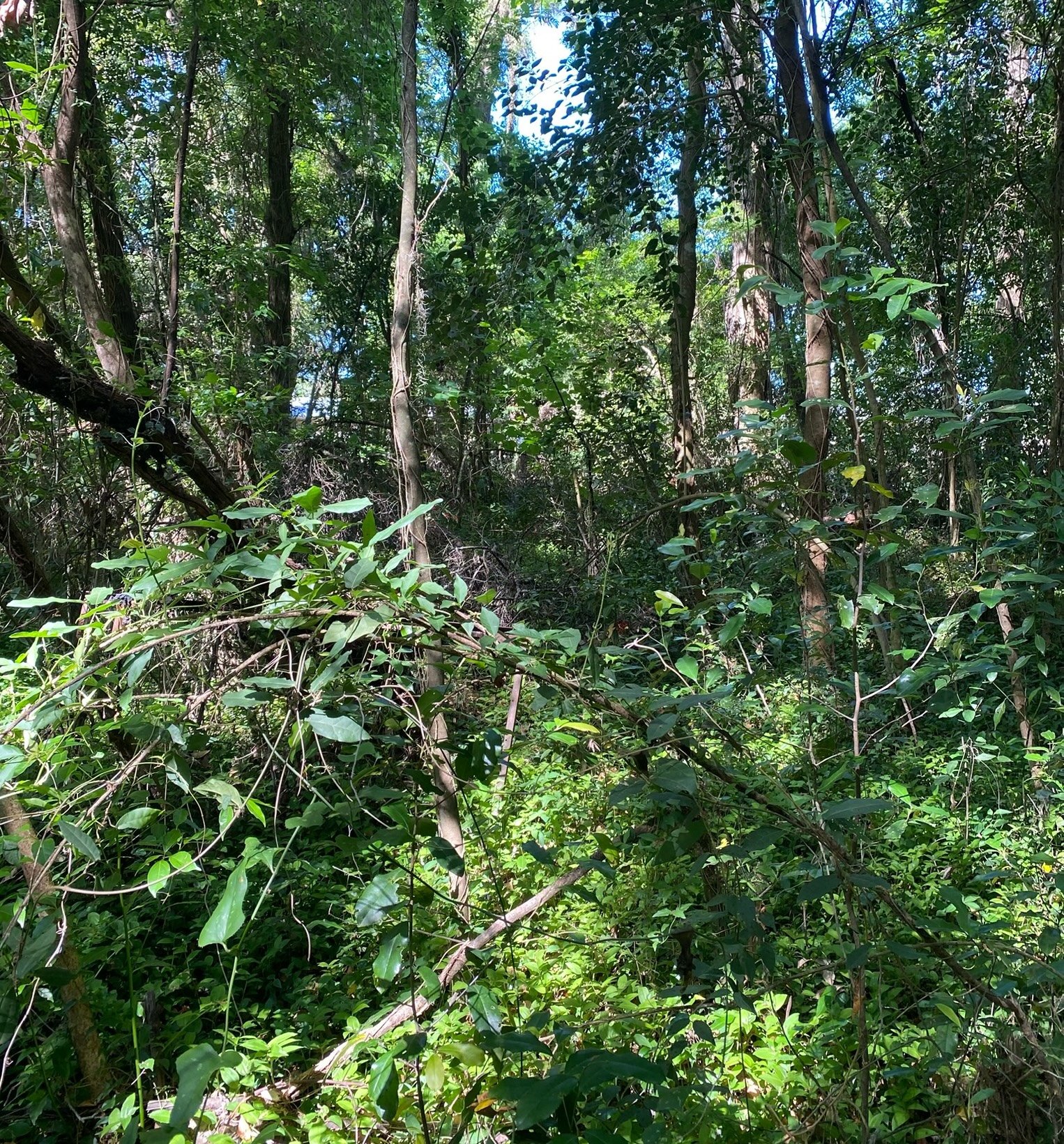
HISTORY: Williams–Crews Cemetery is a historically significant African American burial ground that reflects the long-standing presence and resilience of the Black community in Tallahassee. Oral history provided by descendant Ronald Morris indicates that the cemetery has served generations of local families and was once far more visible and actively maintained, with marked and unmarked graves extending across much of the property. The cemetery is owned by Fountain Chapel AME Church, one of the area's historic Black congregations, further underscoring its importance within the community's cultural and religious heritage. Although questions remain regarding the site's earliest history and relationship to the church, the cemetery represents an important place of remembrance for descendants and a tangible connection to the community's past. Despite decades of neglect, overgrowth, and damage from fallen trees, Williams–Crews Cemetery retains significant historical integrity through its surviving vernacular concrete grave markers, including handcrafted decorative elements that reflect local burial traditions. Oral histories and historic aerial imagery document the cemetery's continued presence within a changing landscape and highlight its role as a landmark familiar to generations of neighborhood residents. As one of the few remaining physical reminders of the area's historic Black community, the cemetery possesses considerable cultural, genealogical, and educational value, making its preservation an important priority for both descendants and the broader community.
BCN Contact Information:
Ronald Morris

Betton Hills Plantation Cemetery
BETTON HILLS PLANTATION CEMETERY
FOUNDED: 1930’s
ADDITONAL NAMES: N/A
AFFILIATION(S): N/A
HISTORY:
The site is all that remains of a much larger cemetery for African Americans dating from the pre-Civil War era through the 1940s. It was the main burial ground for black slaves and servants from the Betton Plantation as well as other surrounding plantations. The plantation system grew in North Florida as cotton plantations to the north depleted their soil from overuse. Prominent early plantations in this region included Goodwood, Waverly, and Live Oak. Turbett Betton was a prominent Tallahassee merchant who purchased roughly 1,200 acres from the Lafayette estate, lying between Thomasville and Centerville Roads. Shortly after Betton’s death in 1863, the land was purchased by Guy Winthrop. The emancipation of the slaves ruined the cotton industry, and many planters turned their land into quail hunting plantations. In 1945, the Winthrop family began subdividing the property for a new housing community called Betton Hills. Henry Watson, buried at the back of the lot with his wife, was one of Winthrop’s servants. However, most of the burials were marked with a simple wooden cross or flowers, and so no longer remain. Evidence of a burial site is marked by elongated depressions in the earth covered with altered vegetation.
BCN Contact Information:
Remus March II
remy663@gmail.com